ANTECHAMBER
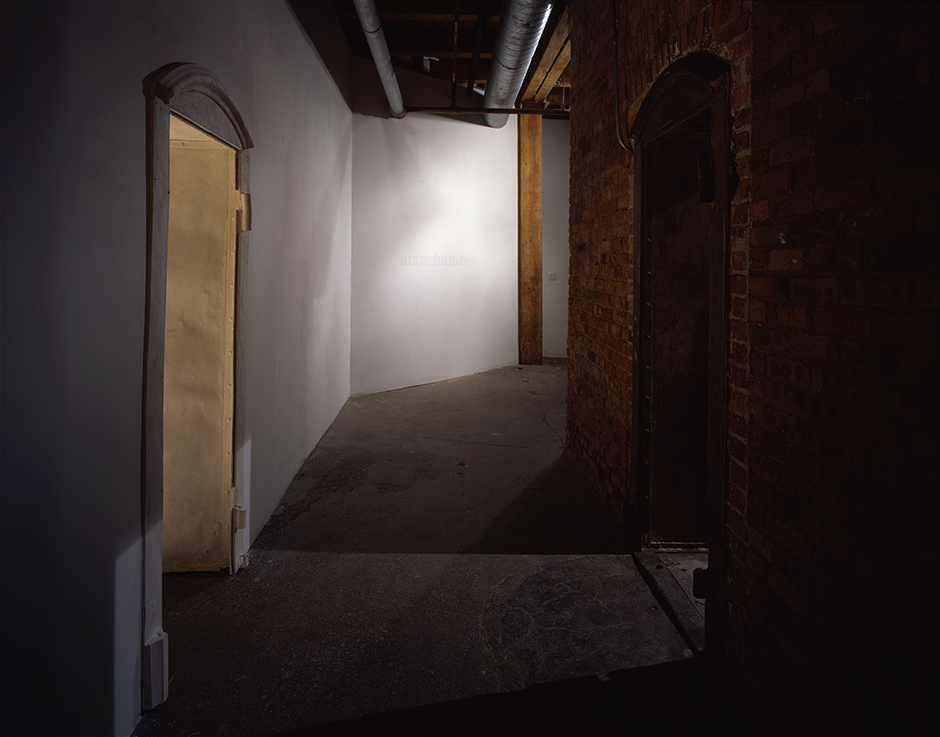
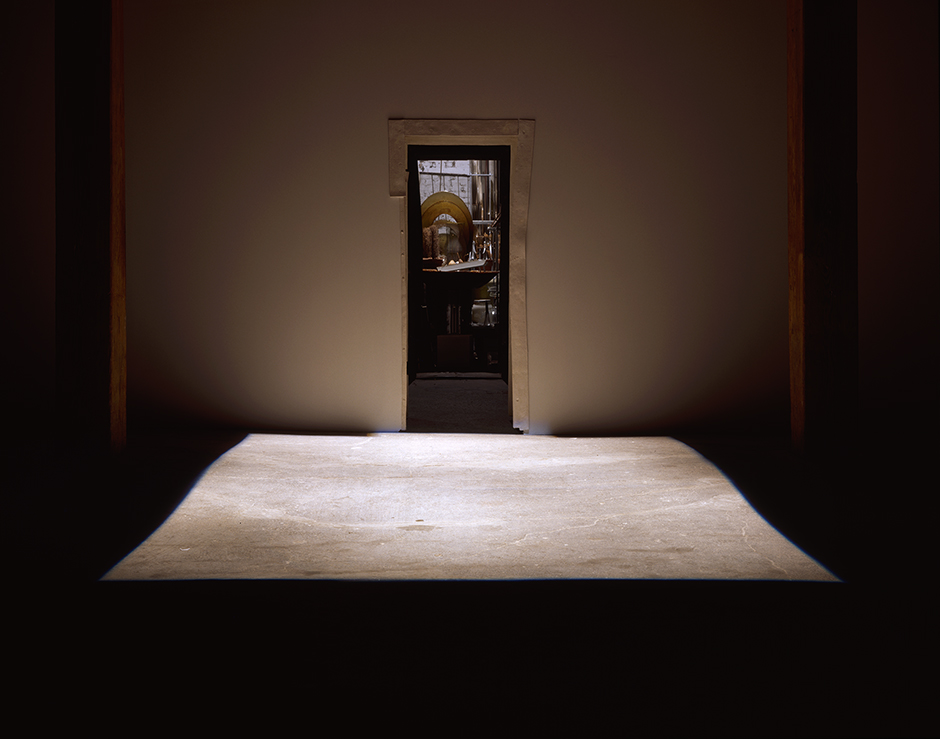
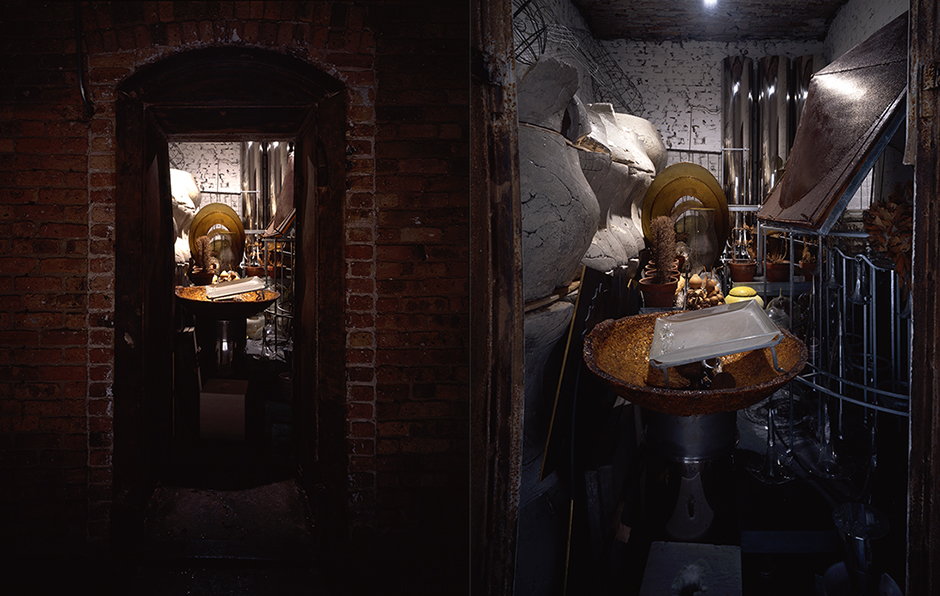
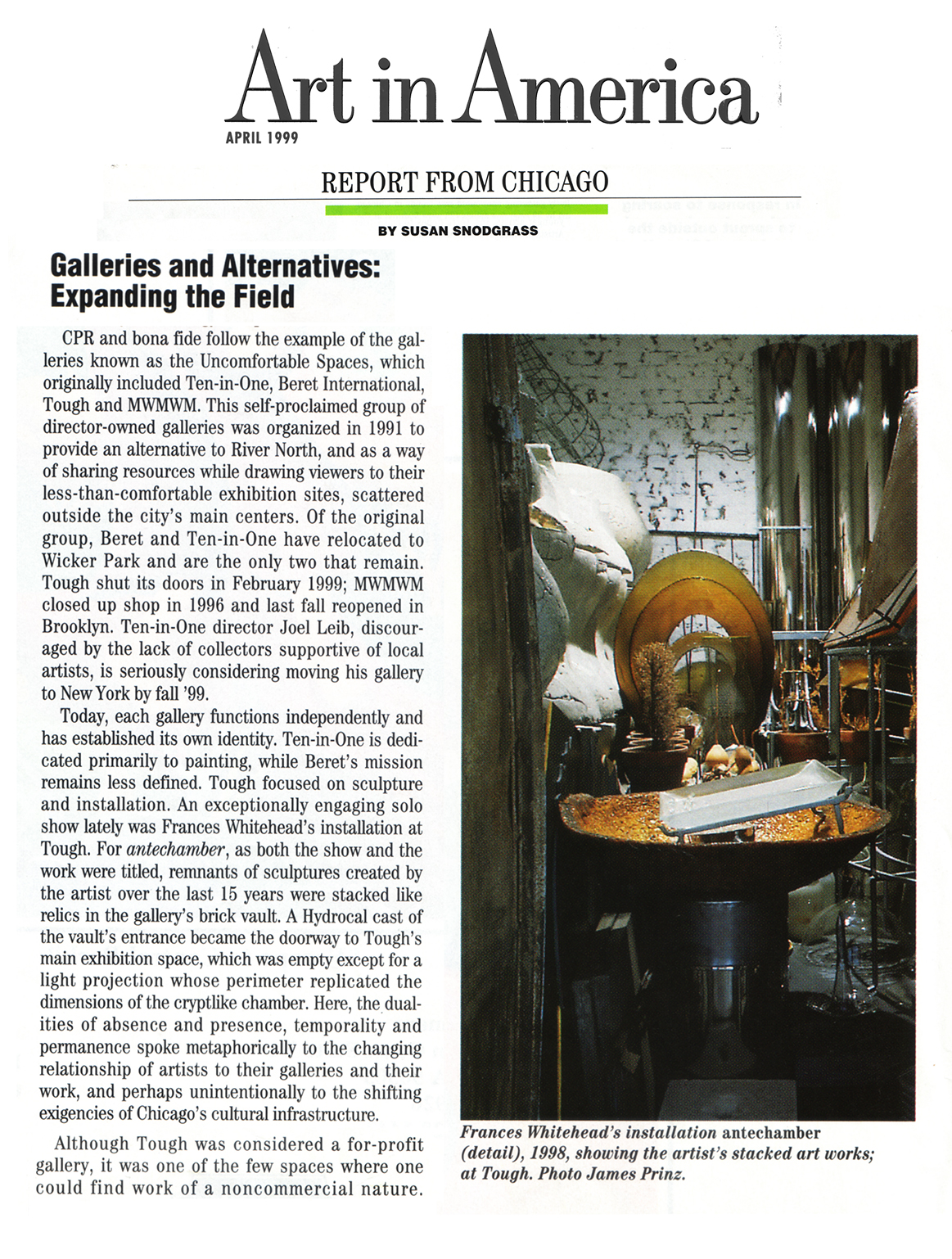
Antechamber, presents the complete set of all things made by the artist, still in her possession, as so many found-objects or grave-goods. Stacked densely in a crumbling vault off the side of the main gallery, the arrangement of objects was modeled on the first view into the Antechamber of King Tut upon opening.
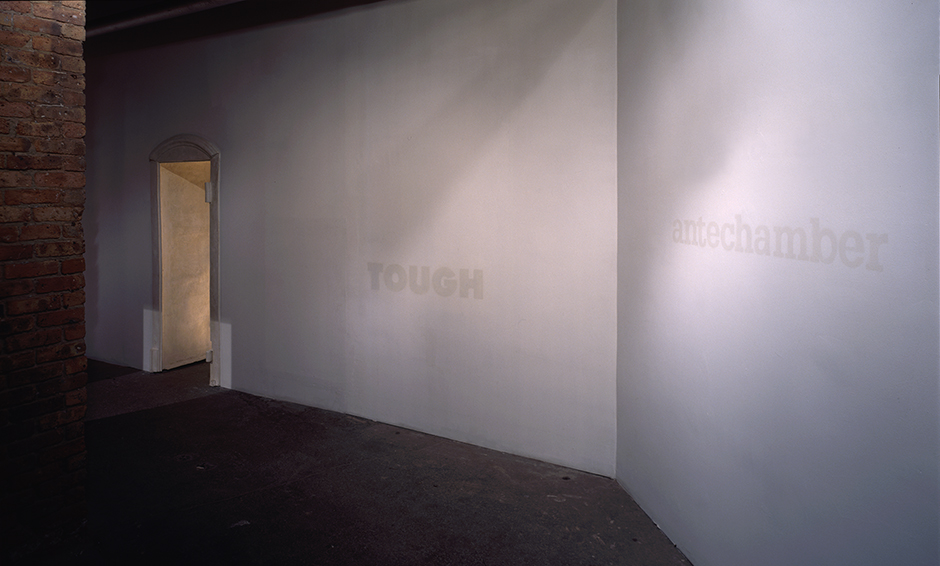
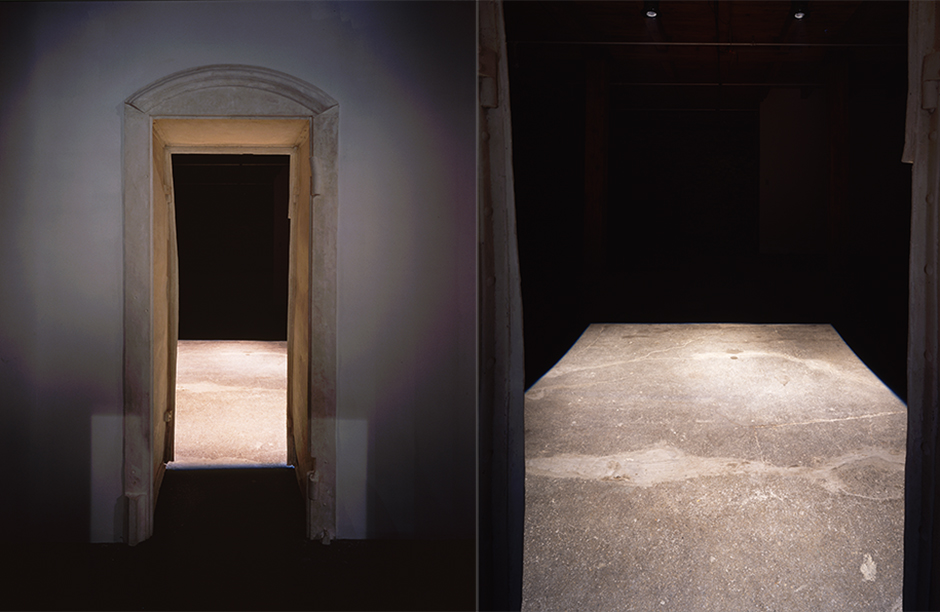
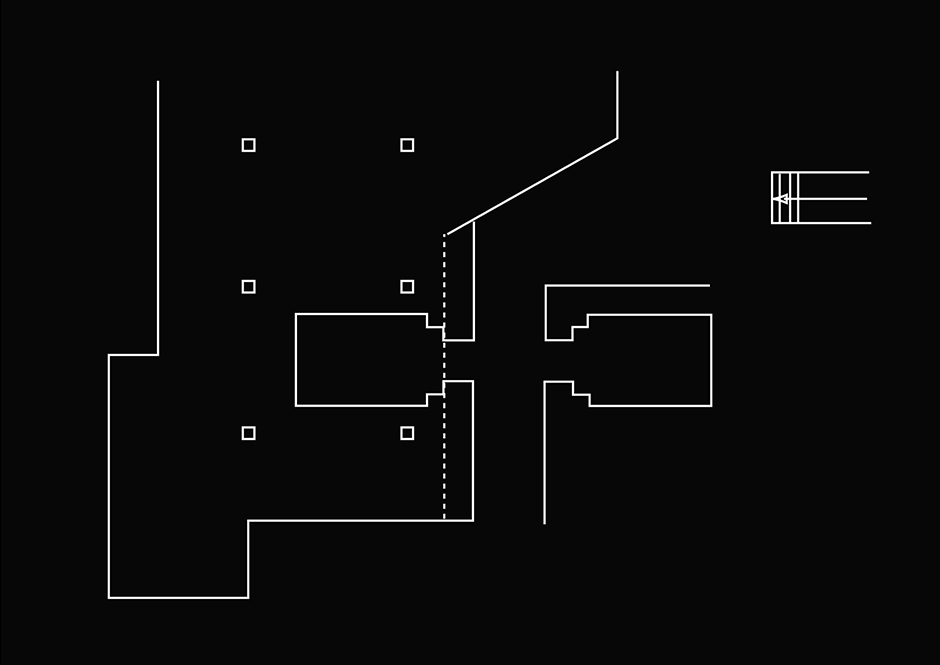
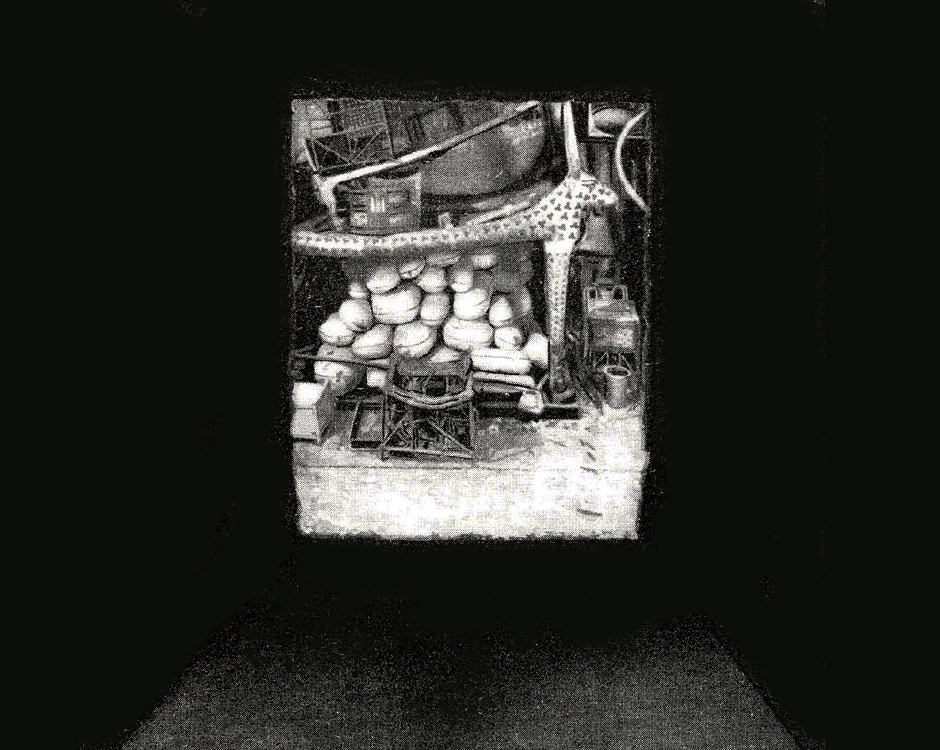
The typical viewer entering the gallery only discovers this vault after entering the main space, left empty except for a bright rectangle of light projected on the floor. Upon examination the vault is discovered and it becomes clear that the projection is the exact floor plan of the vault, framed by an equally exact plaster cast of the vault door across the hallway. Informed by the late 1990’s discourse on the wundercabinet and the politics of archiving and display, the installation instantiates a straightforward metaphysical condition, a dialectic of spirit and body.
the profundities were handled lightly, and balanced by the more practical even brutish levels on which the work could be read. - L. Palmer
While Antechamber is clearly things coming to an end –grave goods and mortality, it was created just before the new millennium, and also reflects both the last gasp of modernism and the advent of the internet. No one including the artist, understood at the time, that Aantechamber also signaled the end Whitehead’s 20 year intellectual project, Metaobjects and functioned as a conceptual bookend to that sculptural practice.
antechamber, annex, arguably-alive, archive
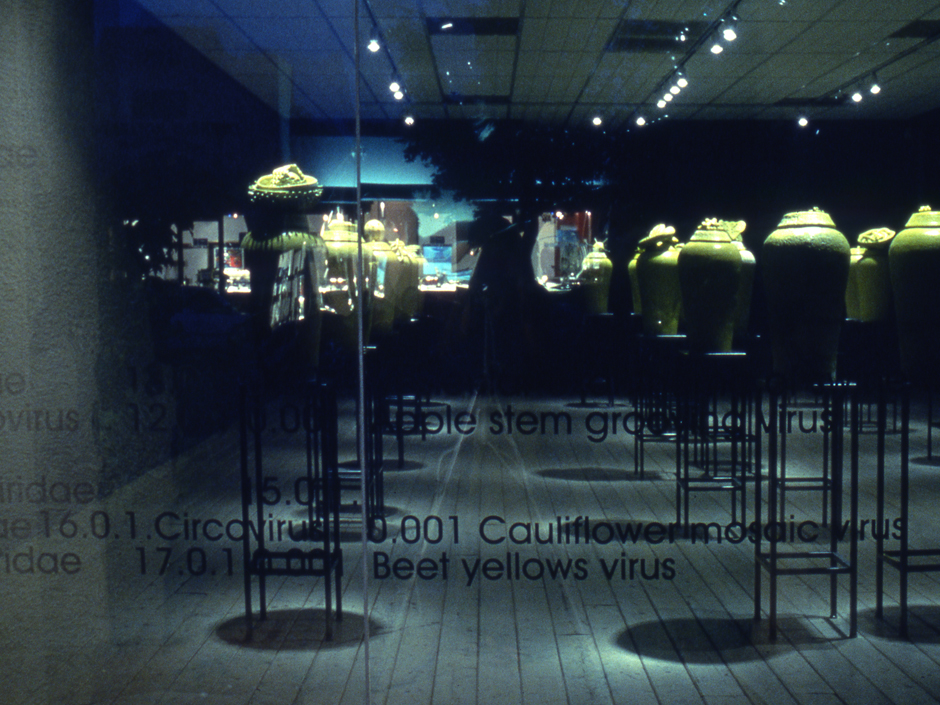
Antechamber is also one of four related projects produced by Whitehead between 1998-2000. The mirrored spaces of Antechamber were again mirrored by a related installation Arguably Alive (the virus taxonomy), 1997-2000. More overtly scientific and mystical, Arguably Alive commences from the question of the living, rather than the incommensurability of death.
A second set of mirrored exhibitions directly engage museum collections and display. At Home in the Museum, 1998, utilized and examined the unique nature of the School of the Art Institute of Chicago and its “annex” relationship to “its” Museum. The other contemporaneous exhibition, Close at Hand, explored the same ideas curatorial practicum at a municipal museum collection of Americana.
as a group they expose the limitations of monolithic notions of artistic production
While each project questions specific classification dilemmas, as a group they also expose the limitations of monolithic notions of artistic production, artefacture, idea manifestation and thus specialization of labor: artist, curator, taxonomist, scientist, collector. etc.