DATE
2019 - ongoing
LOCATIONS
Aridoamerica - Mexico / New Mexico / Arizona 2023 - ongoing
Santa Fe, New Mexico 2025 - ongoing
Aotearoa / New Zealand 2019 - ongoing
CONTRIBUTORS
Miguel González-Virgen Independant Curator, Colima, MX
Huhana Smith
Professor, College of Creative Arts
Massey University, Wellington, NZ
Carlos Rodríguez López
Profesor Investigador, Escuela de Ingeniería y Ciencias
Tecnológico de Monterrey, Nuevo León, MX
PIGMENT ATLAS
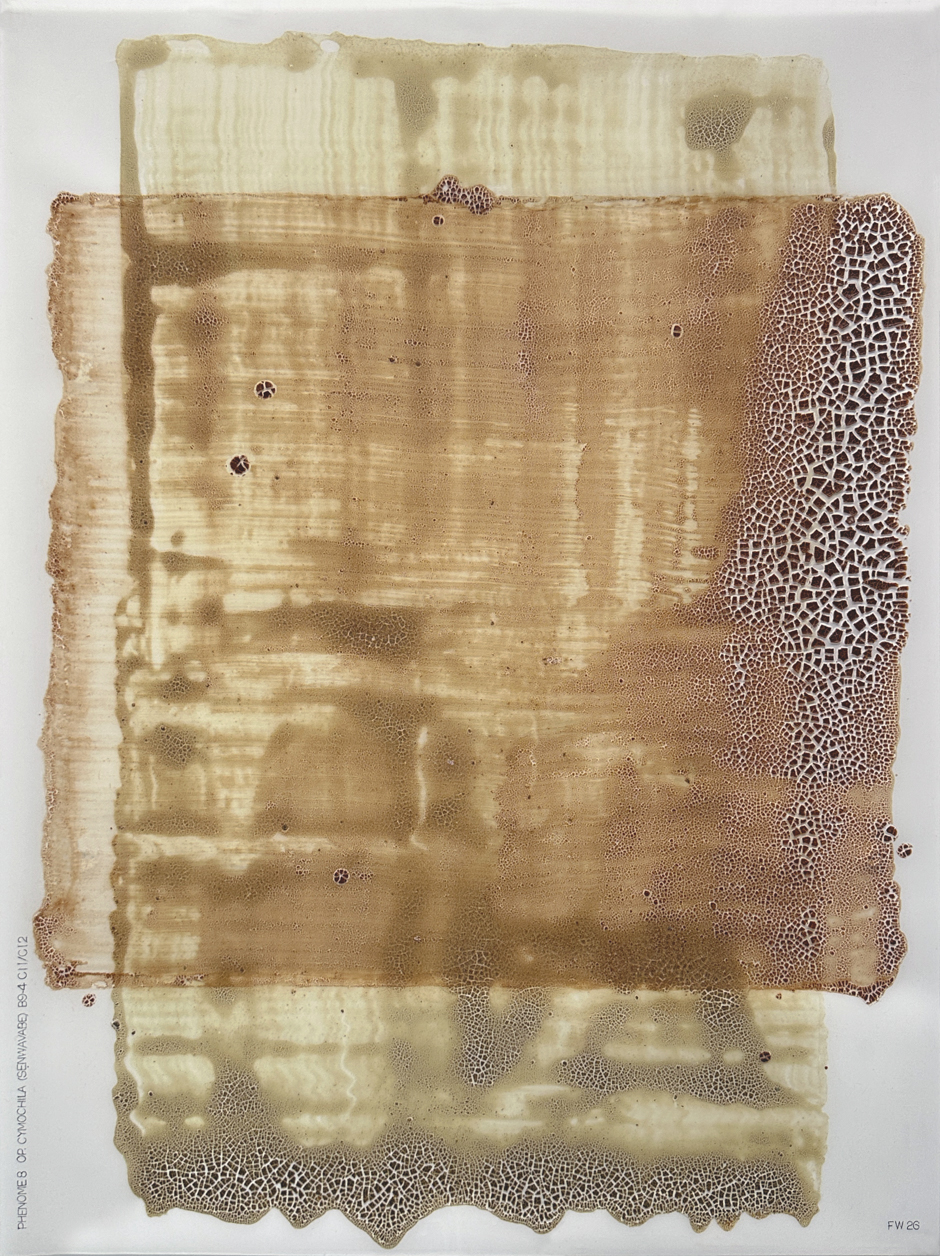
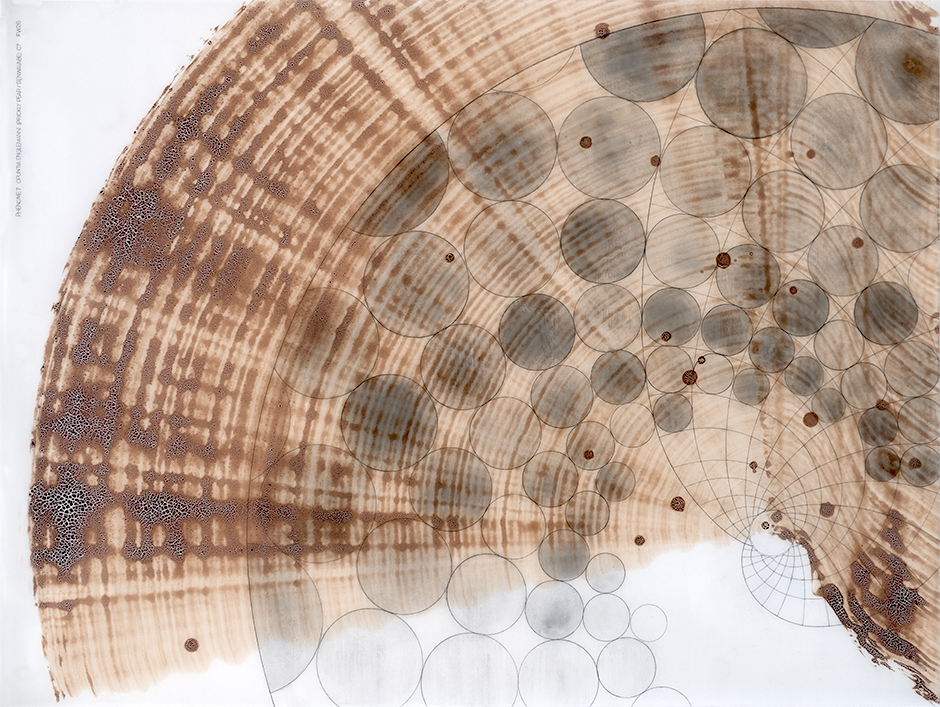
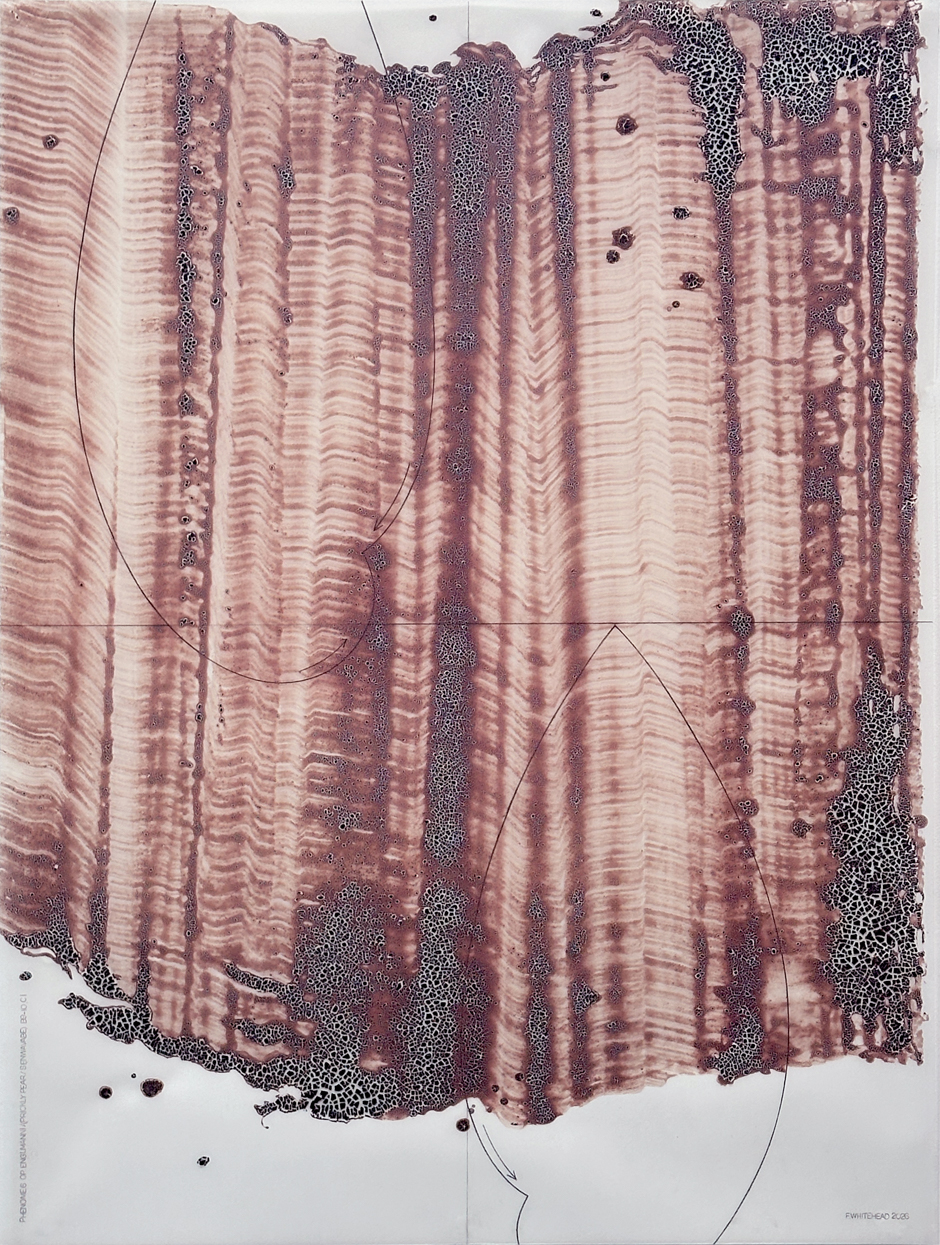
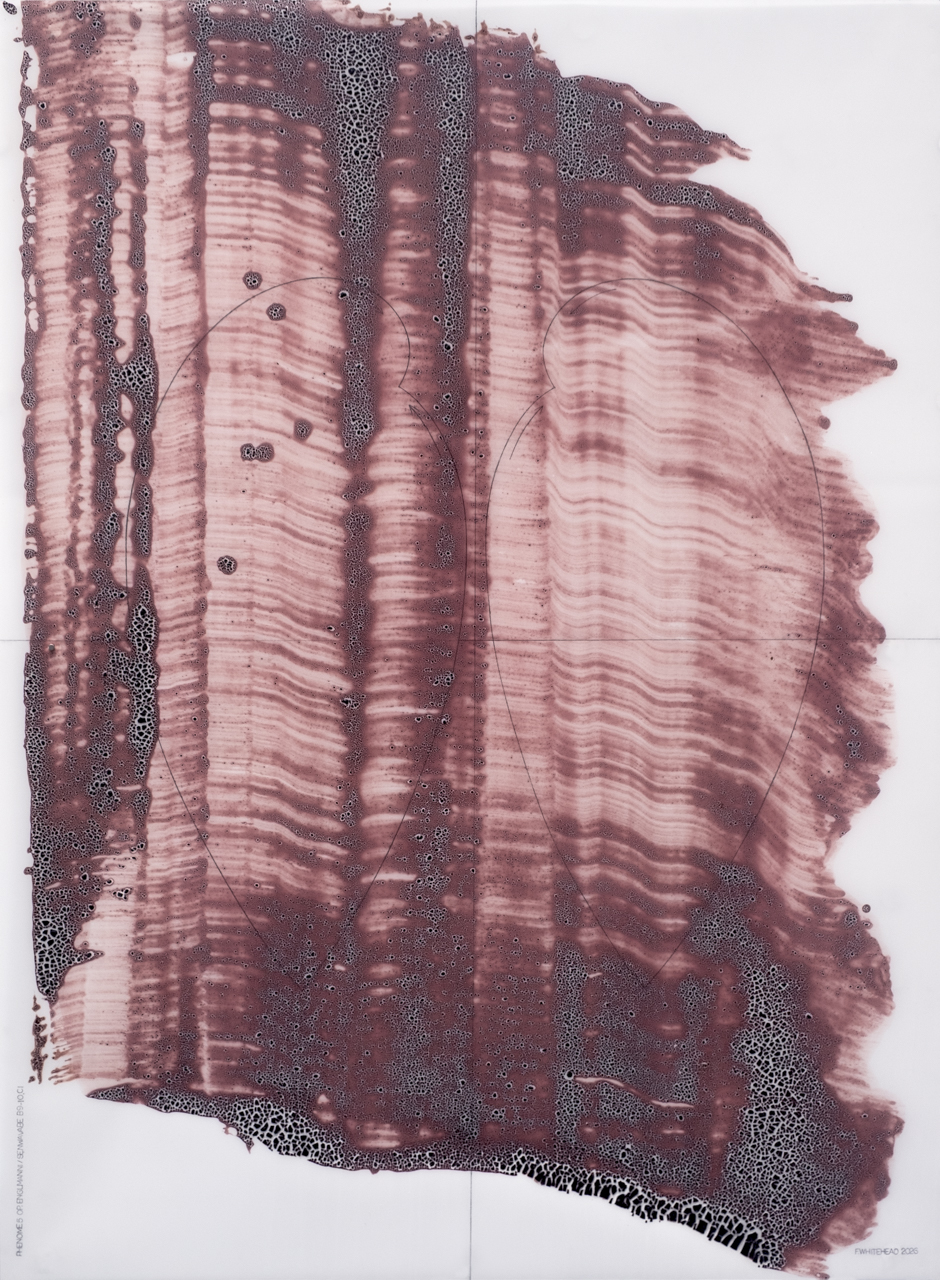
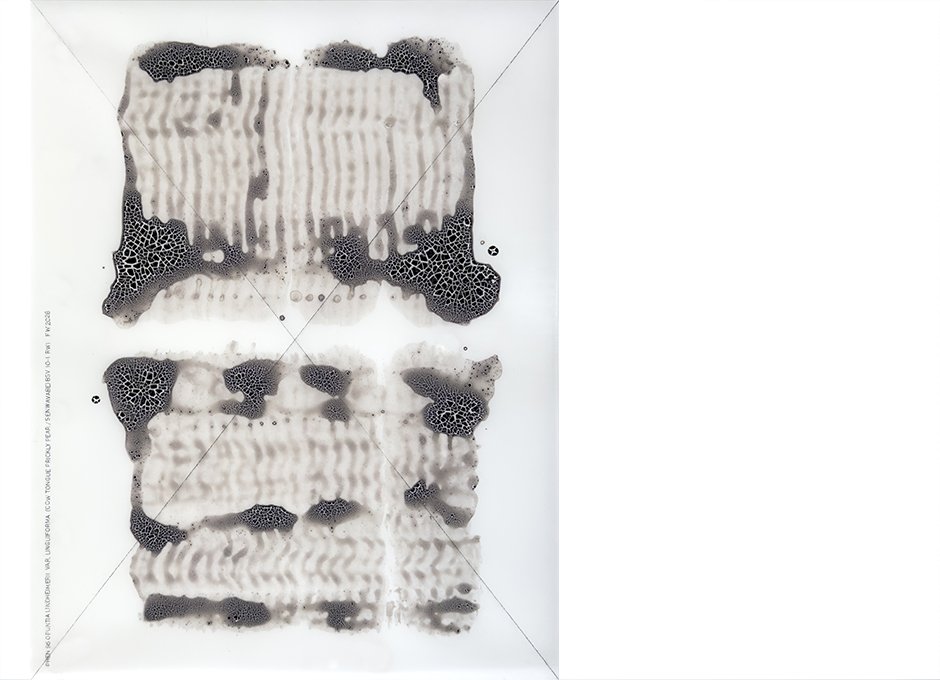
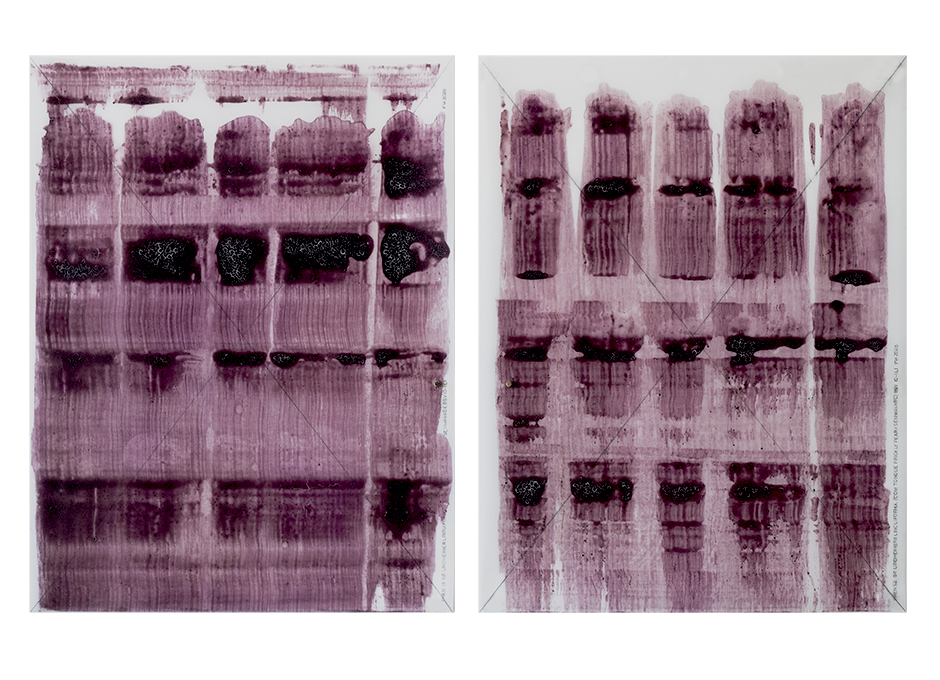
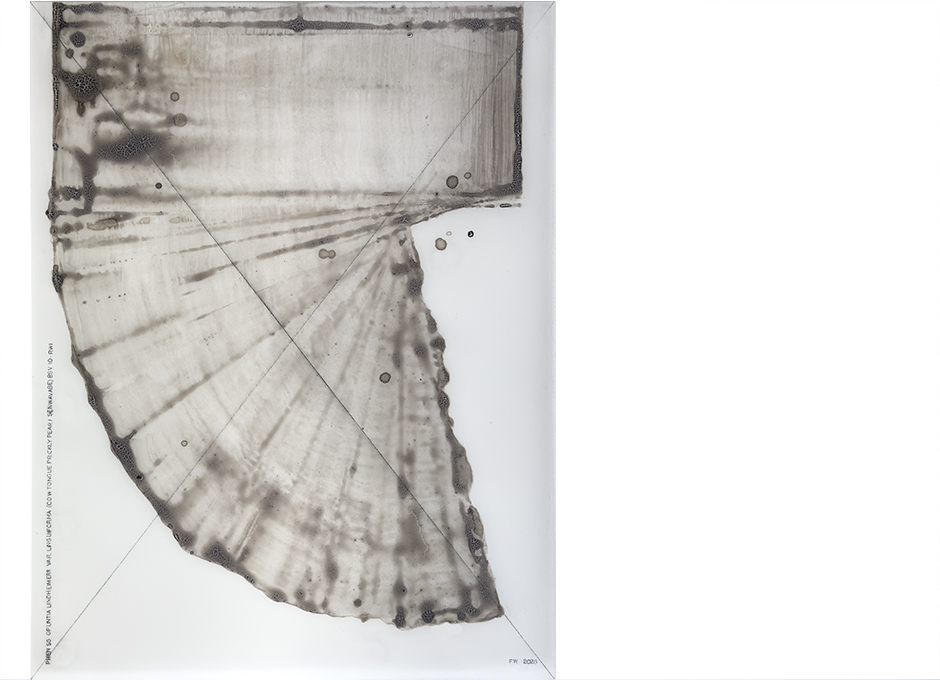
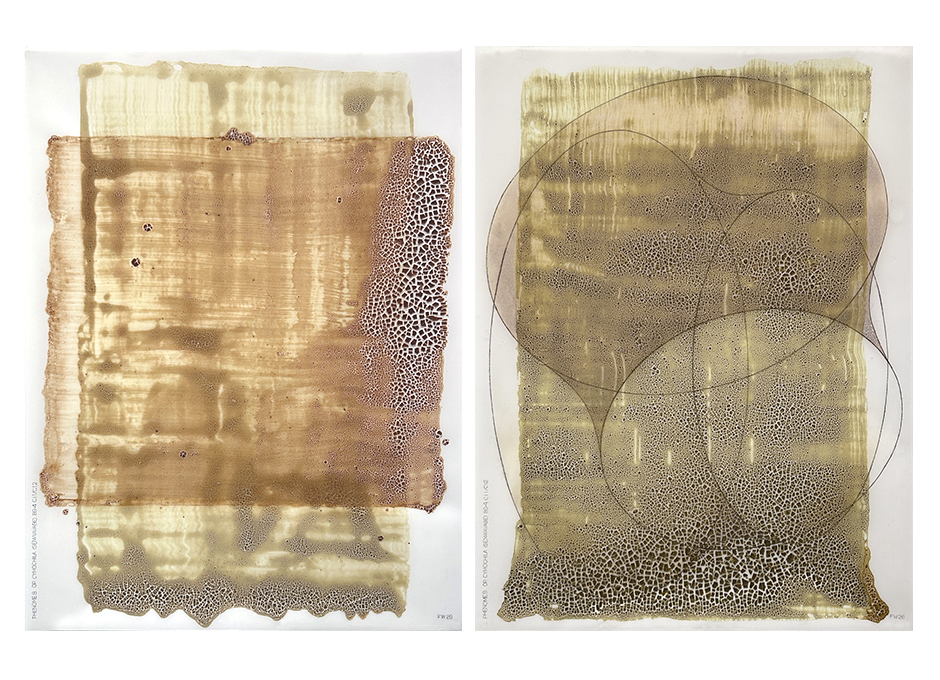
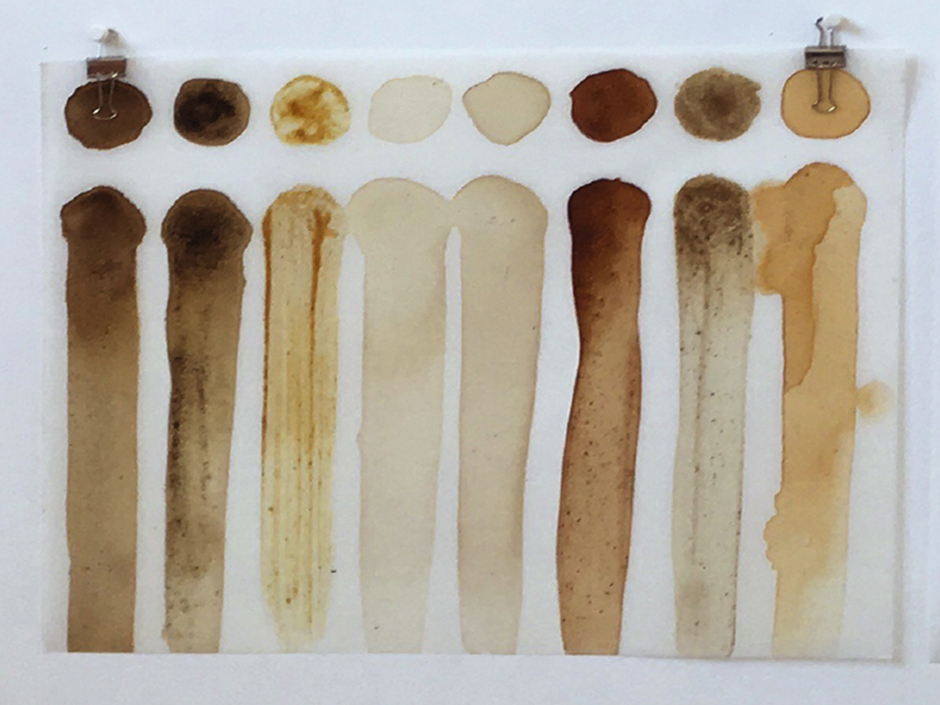
The Pigment Atlas is a series of experimental drawings created with plant pigments, an emergent vegetal expressionism and phytocentric botanical genre. The Pigment Atlas allows the plant to speak for itself.
Let the plant speak for itself.
FOLIO + CODEX
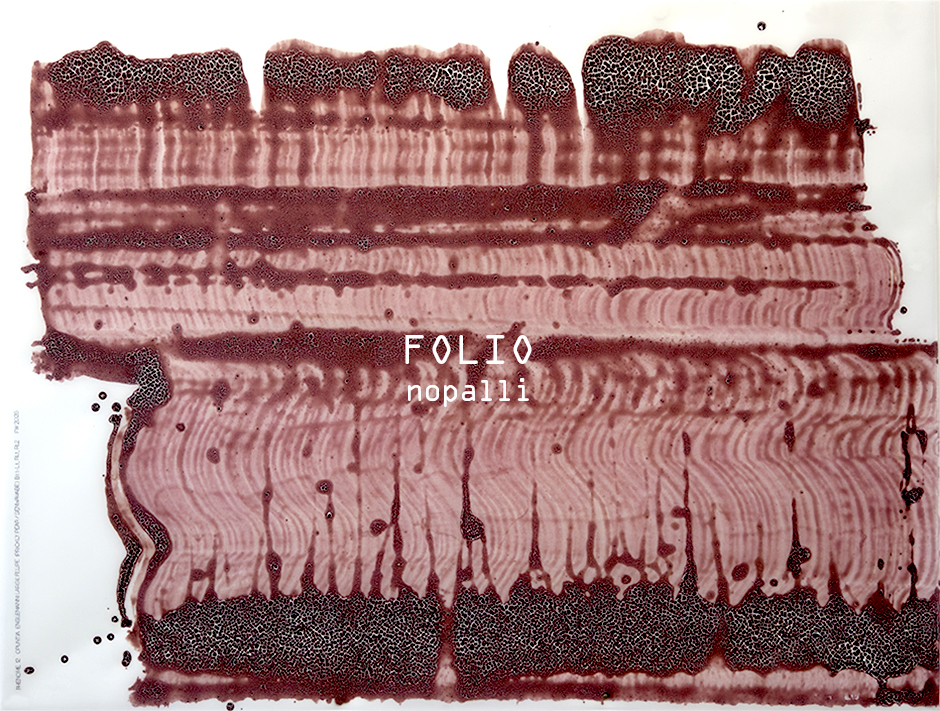
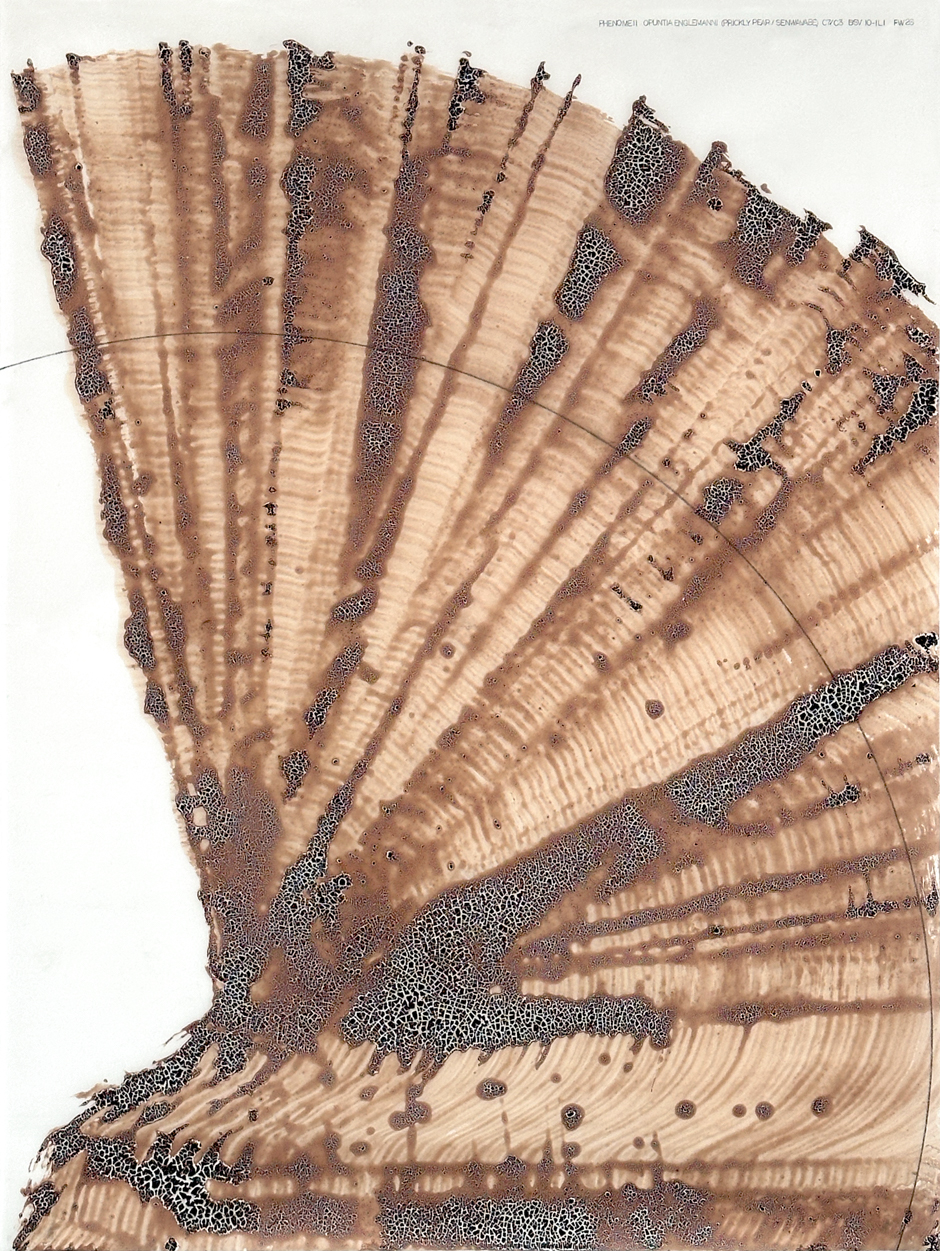
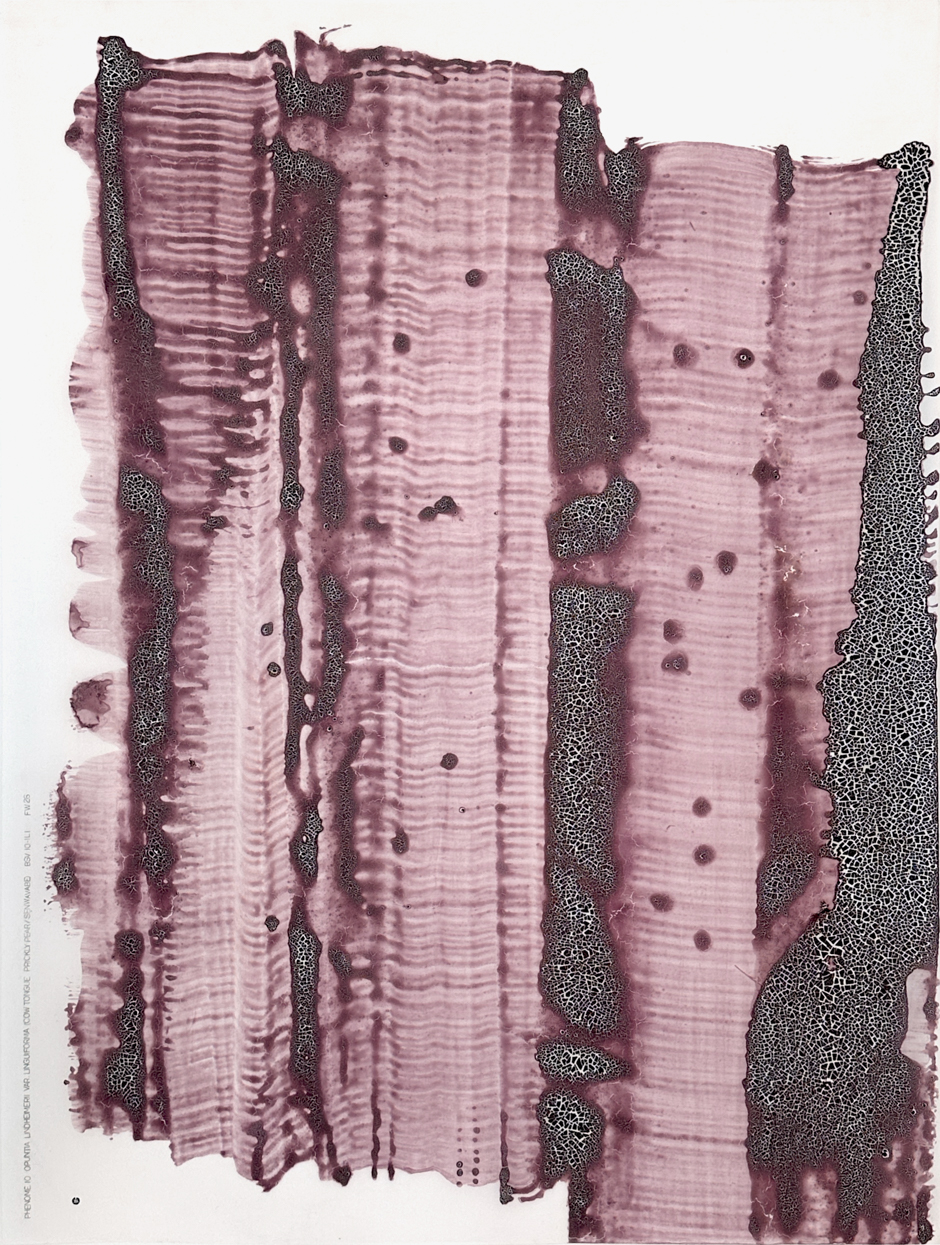
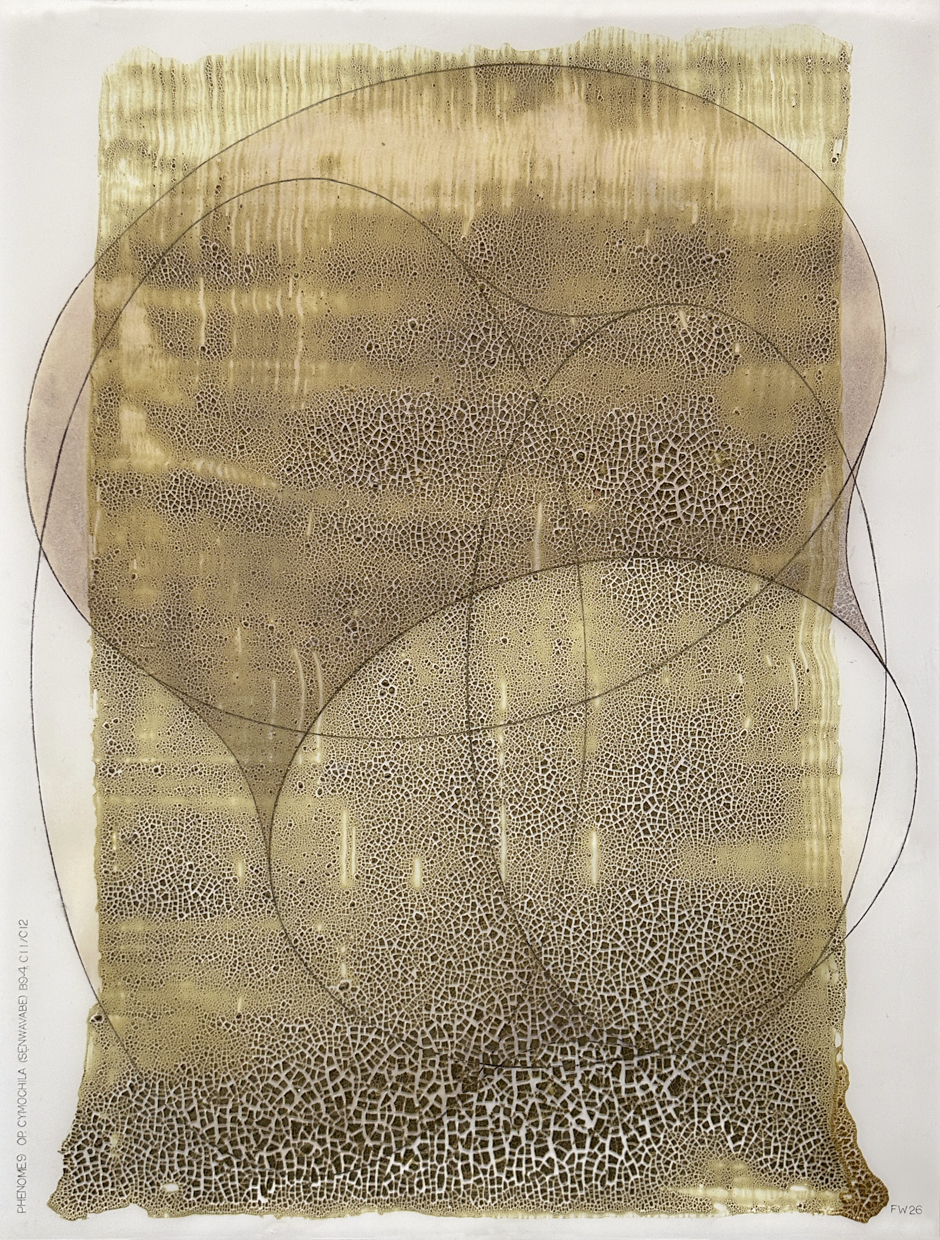
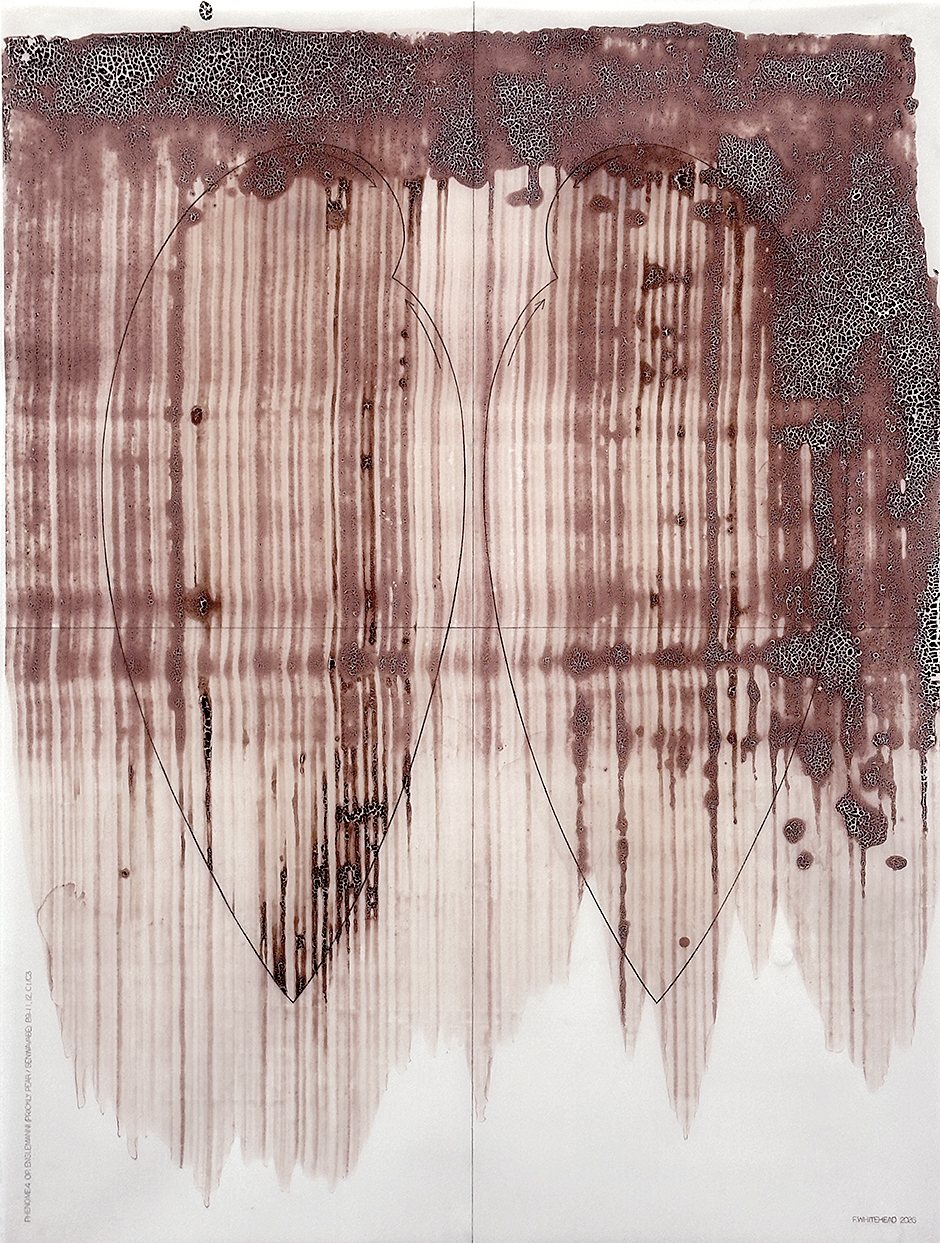
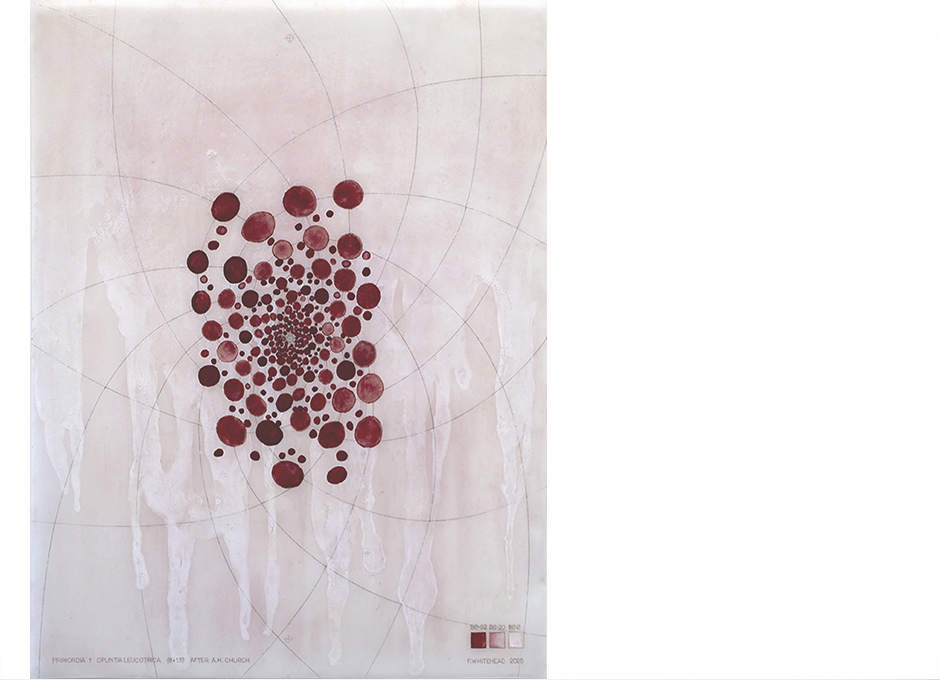
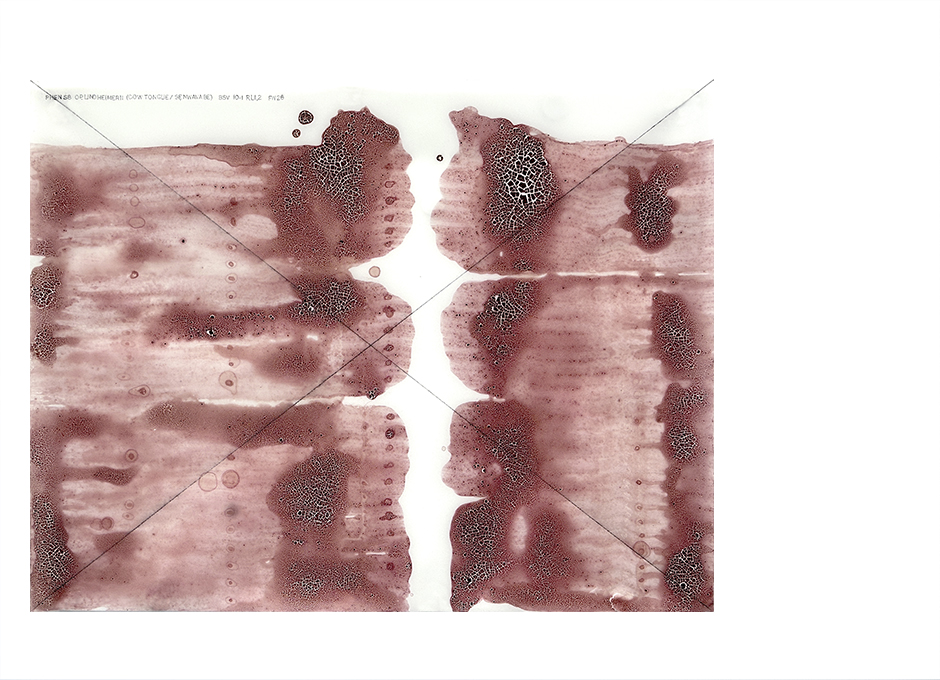
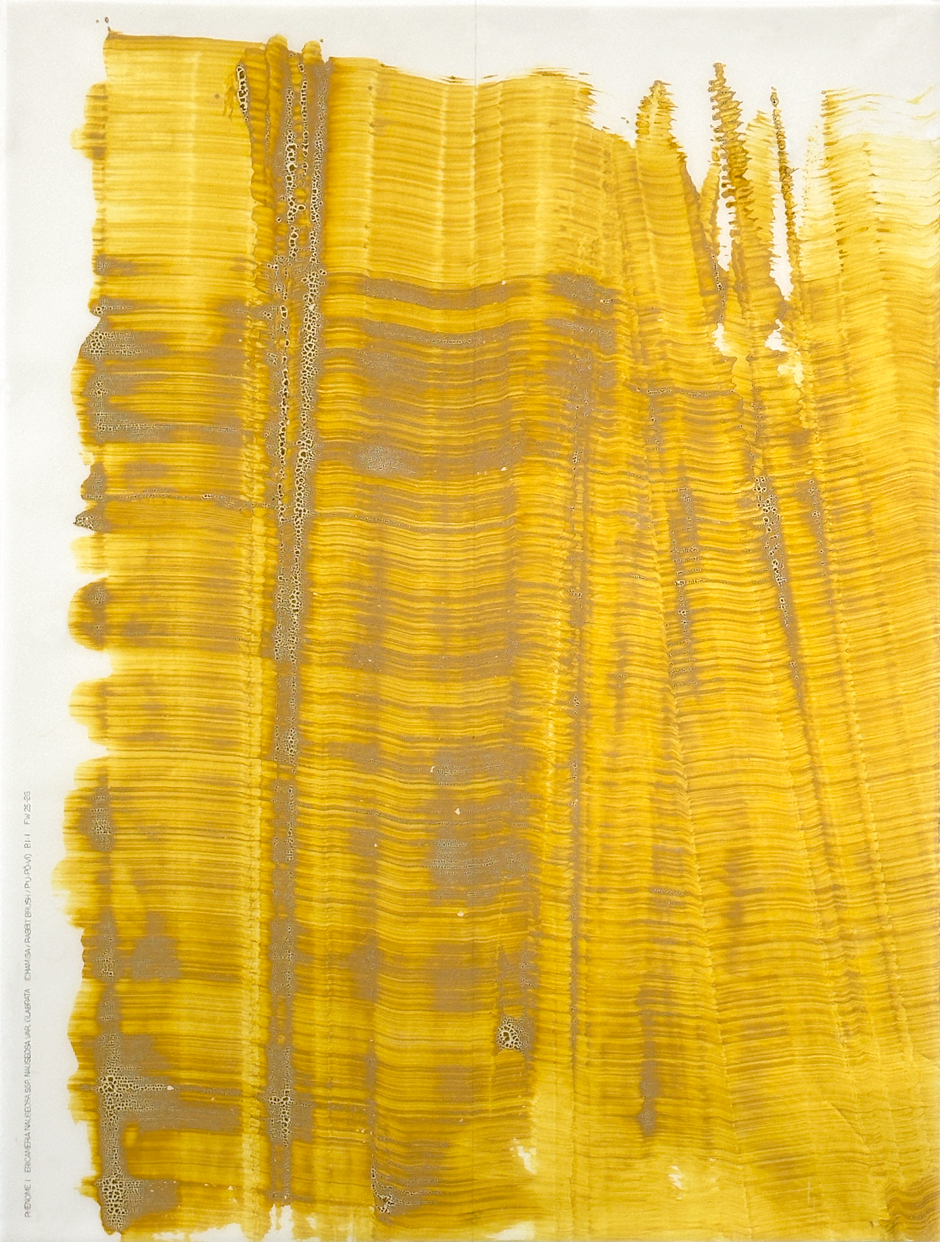
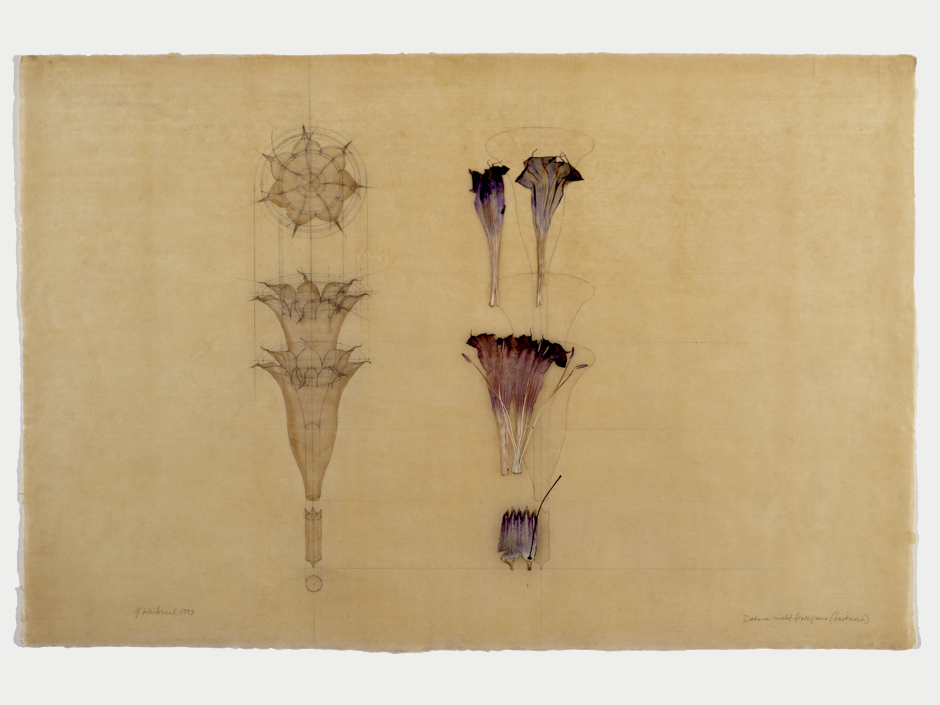
The plants in the Atlas are associated with 3 megadiverse bioregions: Aridoamerica which includes Mexico, New Mexico + Arizona; Santa Fe, New Mexico; and Aotearoa / New Zealand. Each site investigation includes a FOLIO of 3ft x 4ft Phenomes, works evidencing the pigments as material, tactile, visual, and spatial phenomena, the manifest qualities encoded invisibly into the organism’s DNA, its genome. Each FOLIO is linked to one or more CODICES, collections of smaller works which elaborate historical, botanical, technical, and observational information –human understandings of the plants –sometimes transcribed with graphite as material metaphor. Each sheet carries its metadata, a legend containing the series number, plant name in multiple languages, pigment batch number, site origin and date.
SITES
SITE: Aridoamerica- Mexico / New Mexico / Arizona
Folio Nopalli + Codex Primordia
Nopalli is part of the larger NOPALOGY project focused on Opuntia / Nopal / prickly pear which contains unusual betalain pigments found only in Caryophyllales plants.
SITE: Santa Fe, New Mexico
Folio Neomexicana + Codex Fruticosa
Includes pigments from shrubby species of the border ecology, ecotone, around Santa Fe, New Mexico, which marks the boundary between the Southern Rocky Mountains and the southwestern tablelands of the Arizona/New Mexico Plateau.
SITE: Aotearoa / New Zealand
Folio Huaota Tae + Codex Harakeke
Focusing on the 63 Harakeke varieties Phormium tenax, Maori taonga, an important heritage plant, Folio Huaota Tae (plant color) is an extension of Initial pigment studies conducted in 2019 at Kuku, Horowhenua, NZ.
...a spatial and temporal record, a plant cartography of bioregions.
ENTANGLEMENTS: Cartography + Cooking
The Atlas positions plant color as a transdisciplinary field reflecting diverse knowledge systems –a multispecies and multiepistemic approach. Here color is a form of ecological knowledge produced through relationships between cultures, plant species, and bioregions –an entanglement of biodiversity, technique, and plant thinking. Each page of the Atlas is thus both pigment swatch and landscape, condensed through processes of growing, foraging, soaking, filtering, grinding, and marking, to produce a map, a spatial and temporal record, a plant cartography of bioregions.
The Atlas reframes a familiar nexus between artmaking and cooking, technologies of transformation catalyzed by fire, water, time, and chemical agents. Both enact embodied and procedural knowledge, developed and refined over millenia: suffusion, fermentation, precipitation, and emulsifying –parallel operations within a single system.