DATE
2004
RESIDENCY + EXHIBITION
Centrum Rzezby Polskiej w Oroñsku/ Oronsko Contemporary Sculpture Center
Kapil Gallery / Chapel Gallery
COLLABORATORS
Gosia Koscielak, Artist + Curator
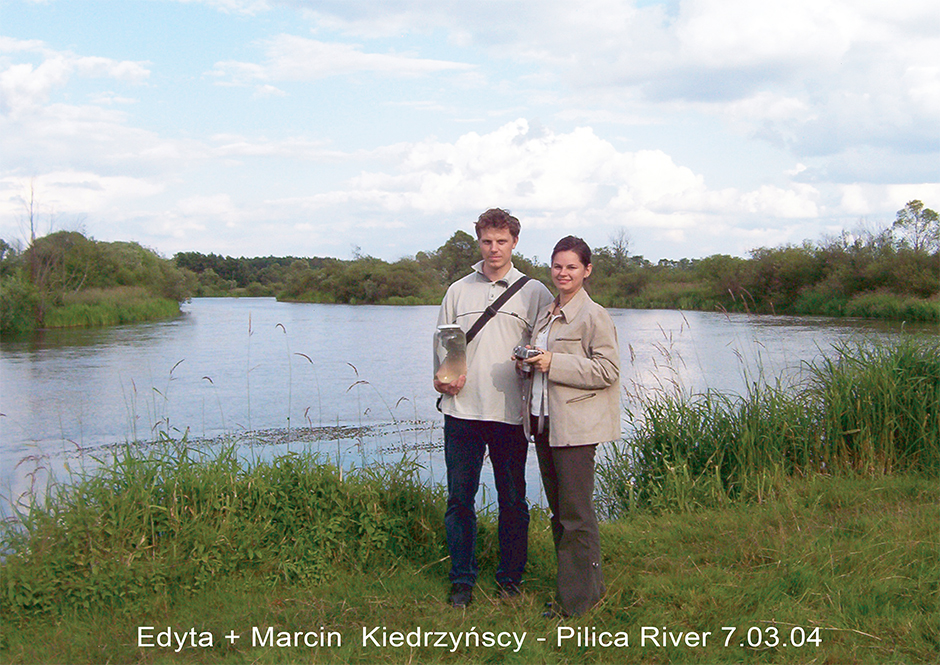
Edyta Kiedrzyñska, Department of UNESCO Chair on Ecohydrology and Applied Ecology, University of Lodz, Poland
Marcin Kiedrzyñska
Department of Biogeography, Paleoecology and Nature Conservation, University of Lodz, Poland
Artur Magnuszewski, Hydrologist, University of Lodz
Malgorzata Koscielak, Artist
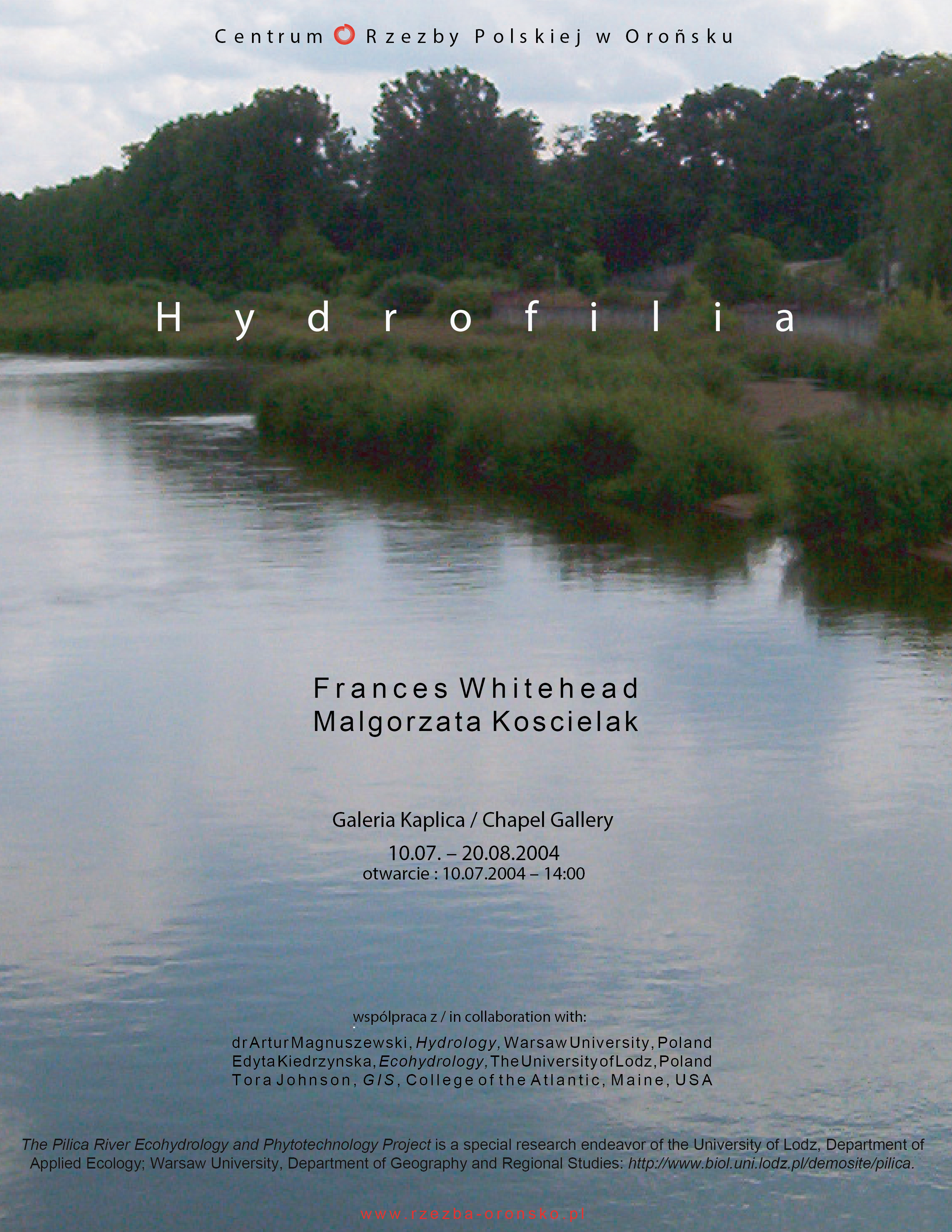
Hydrofilia
HYDROFILIA
Rzeźba eko-społeczna / Eco-social Sculpture
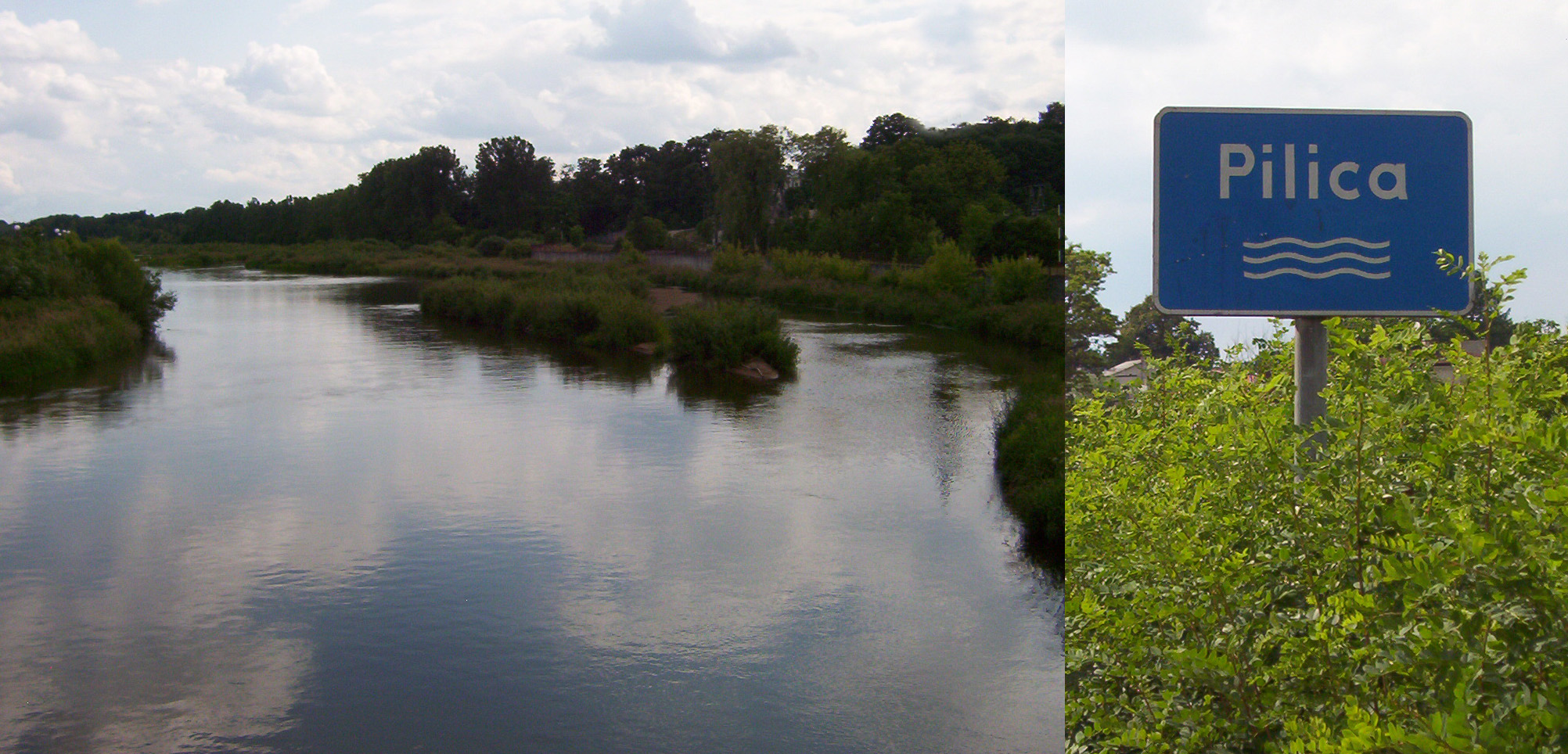
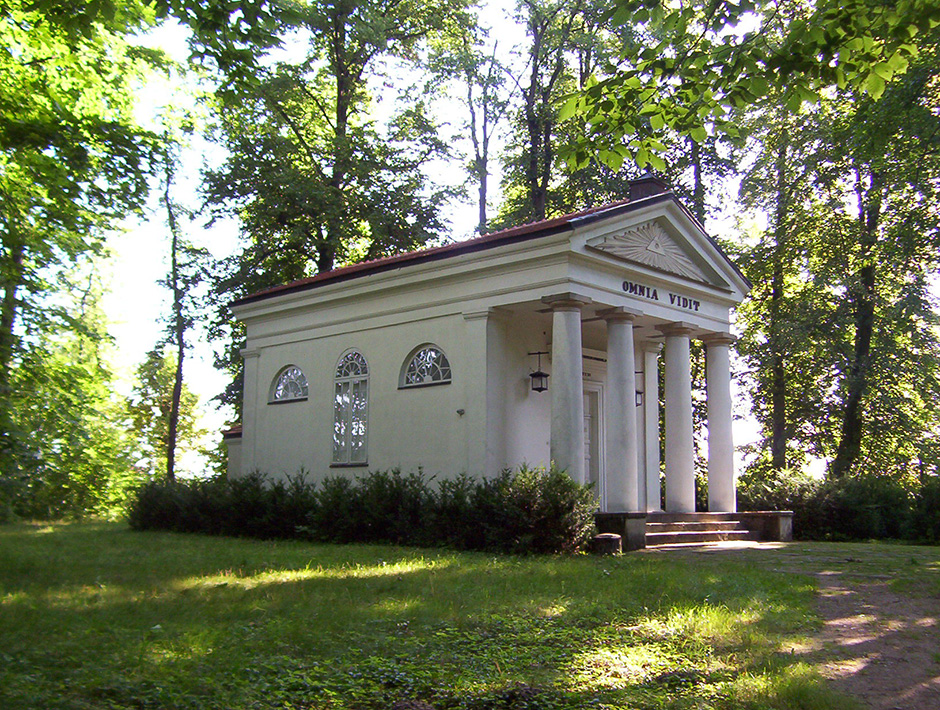
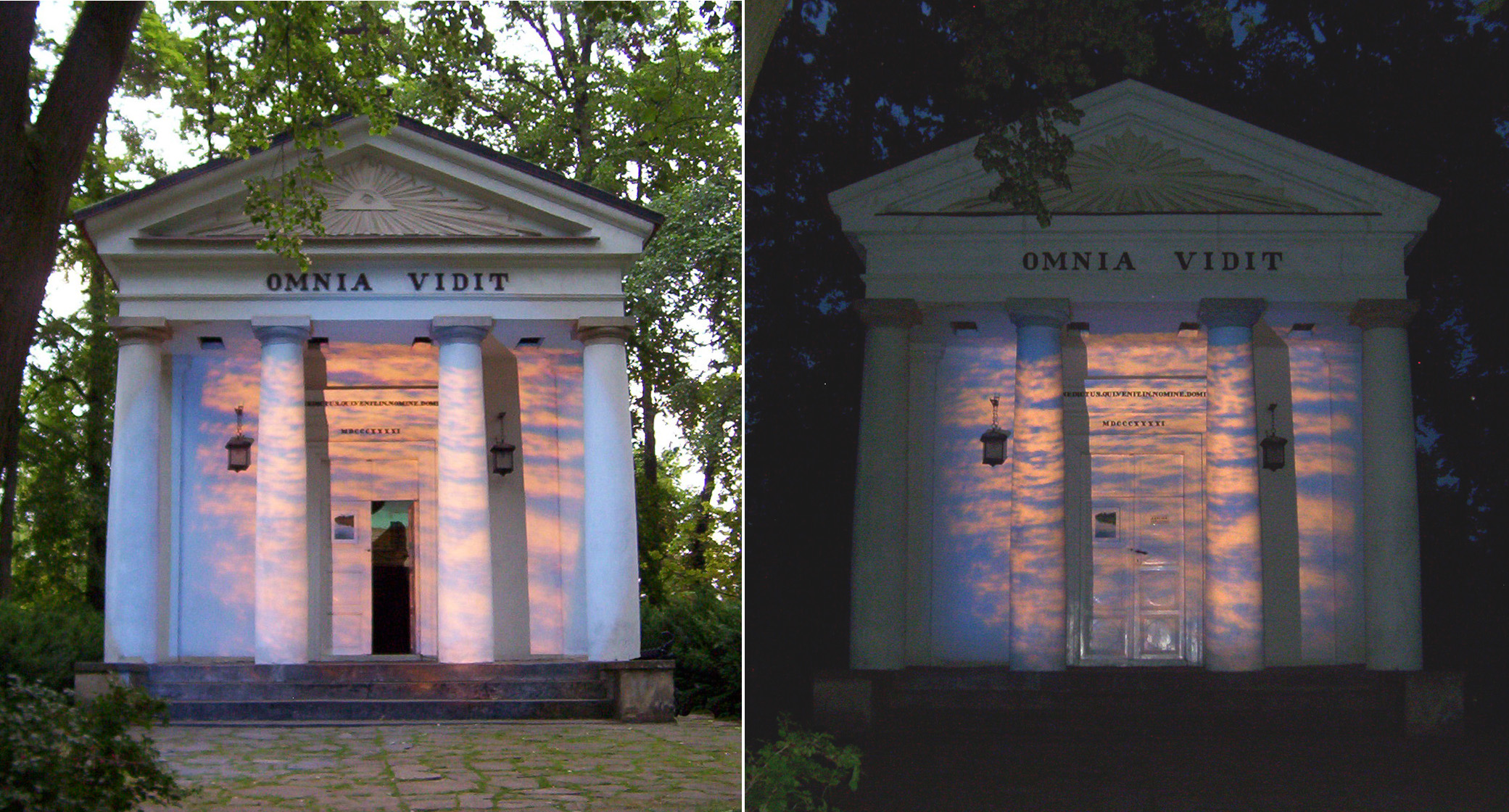
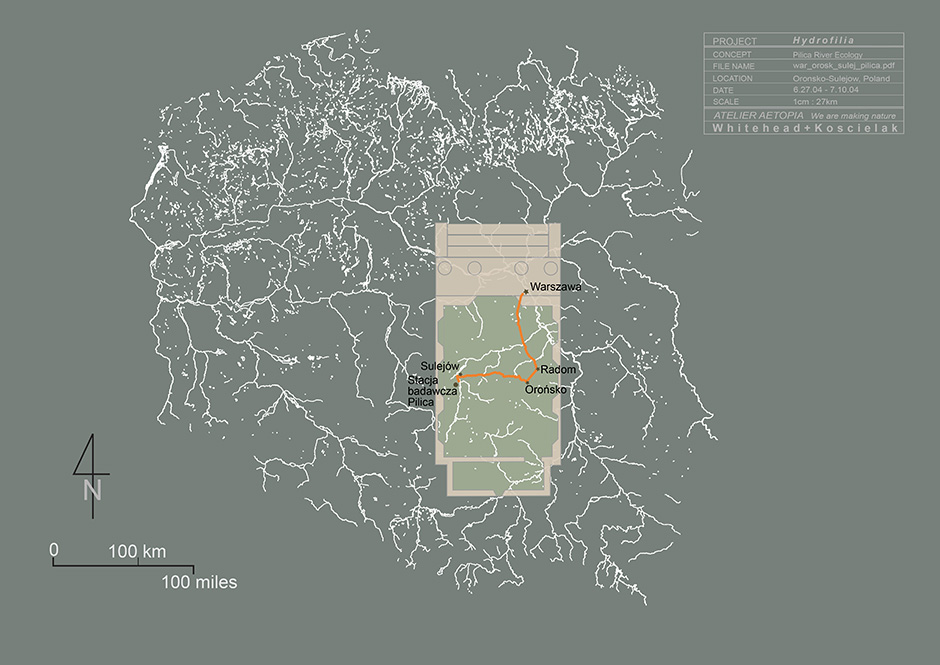
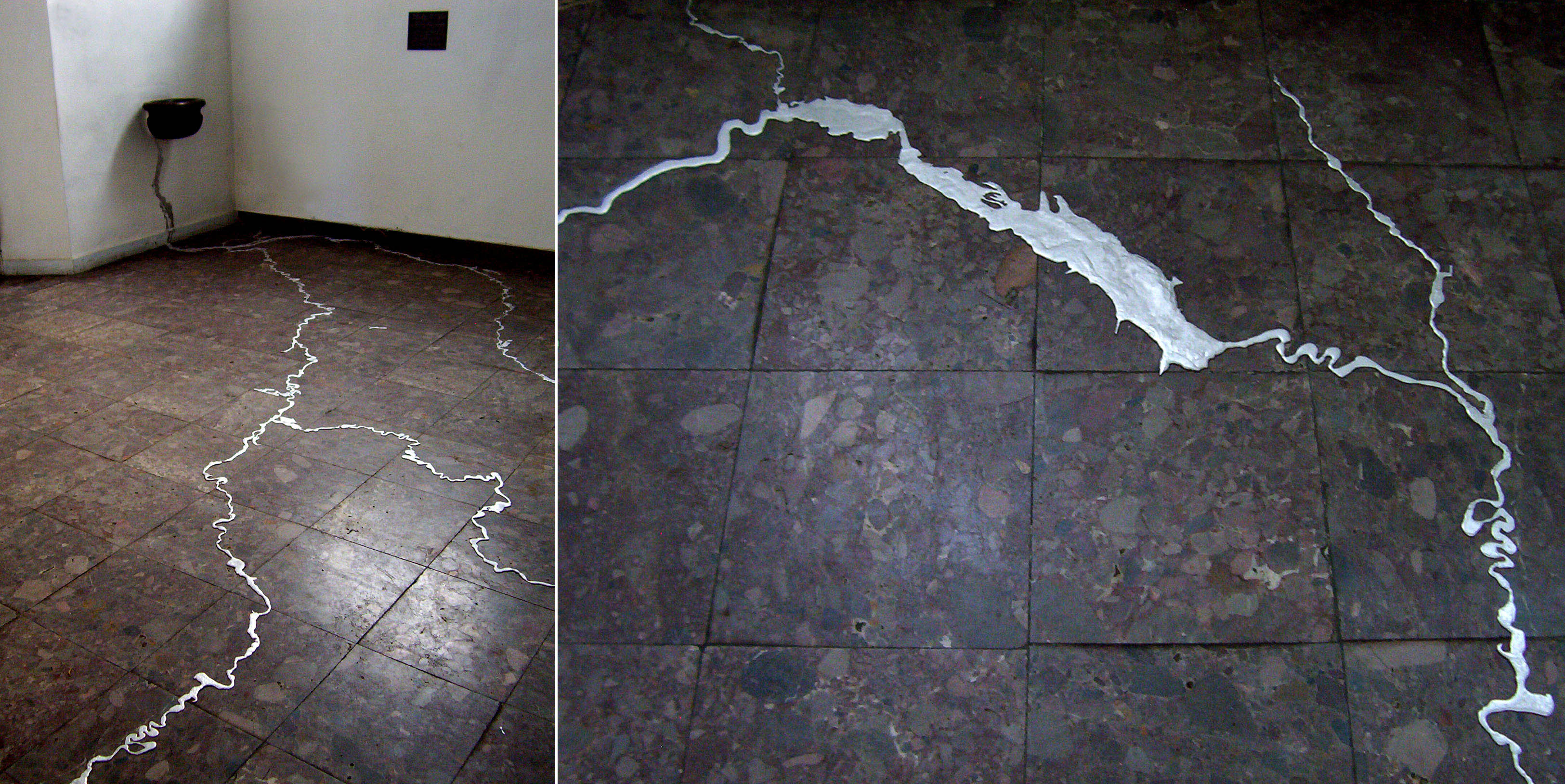
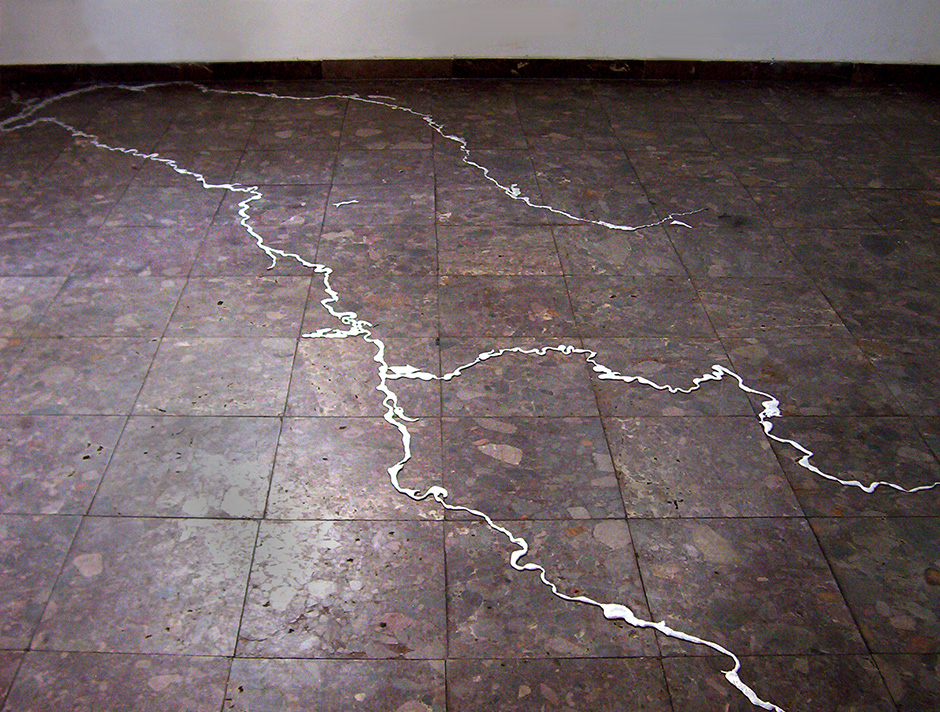
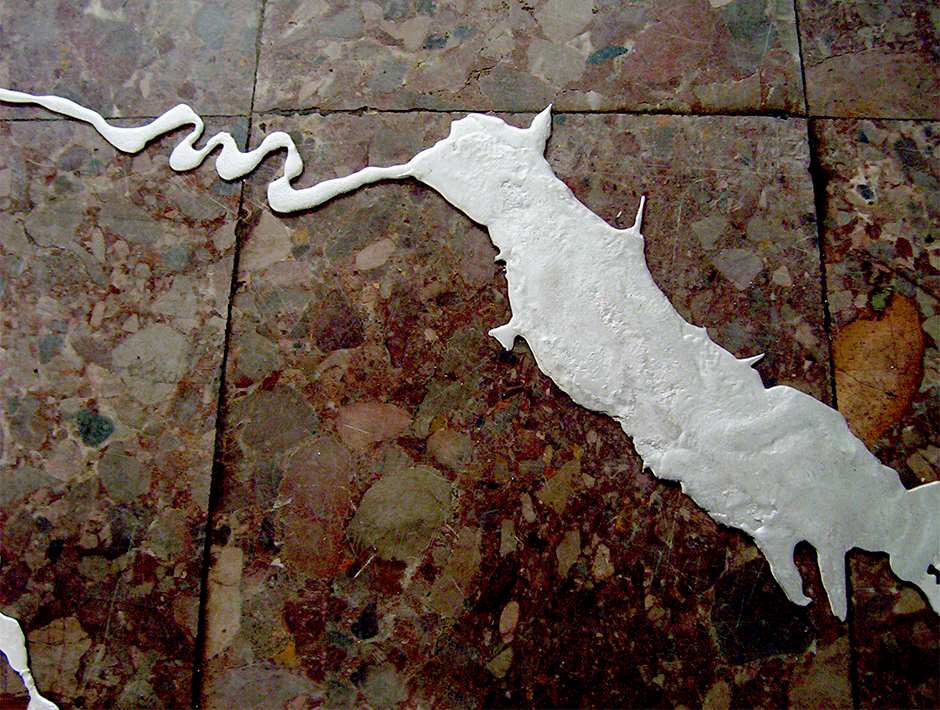
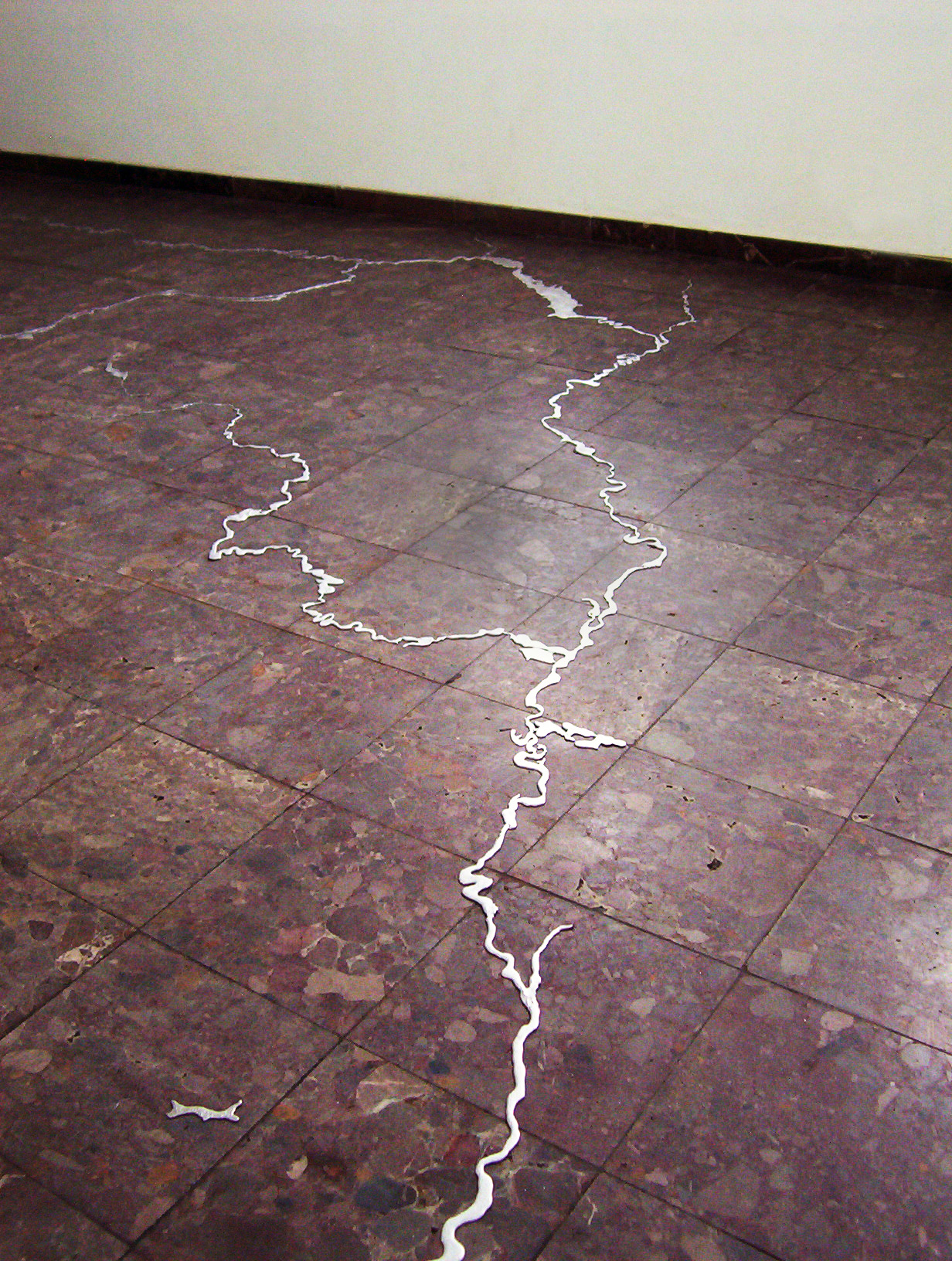
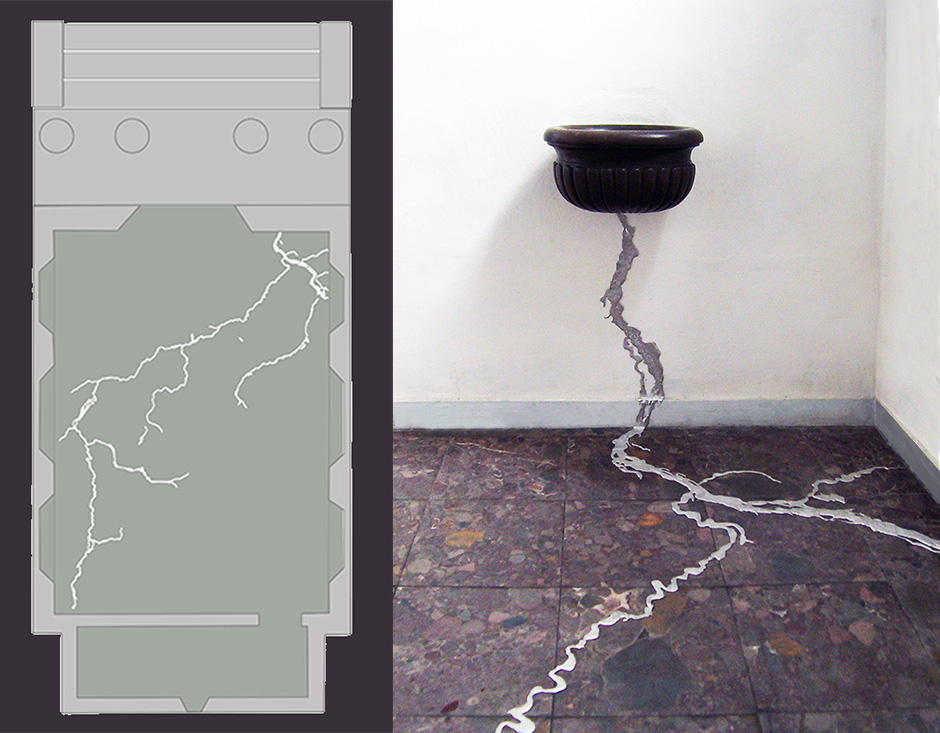
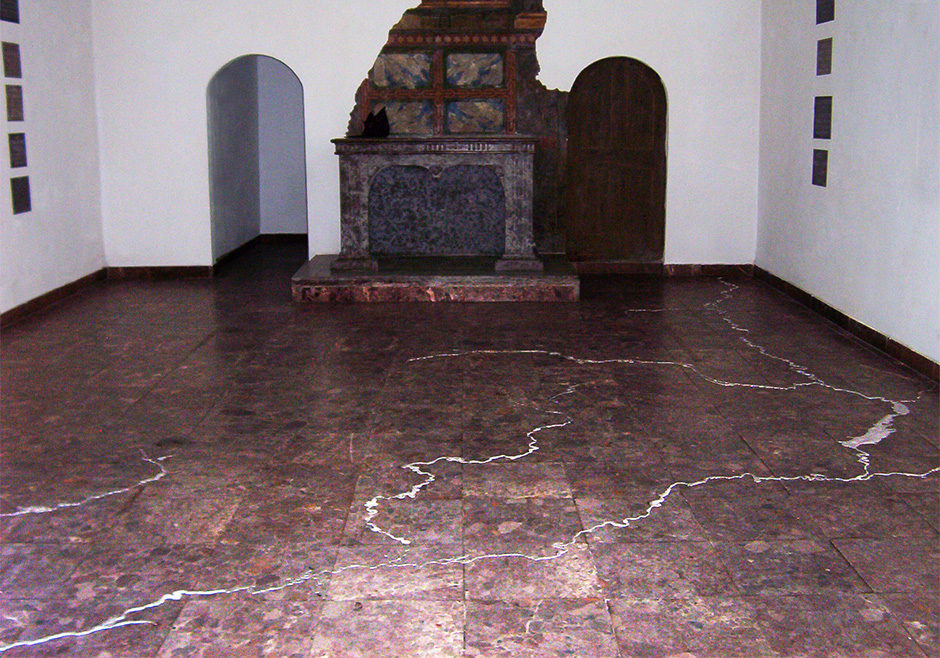
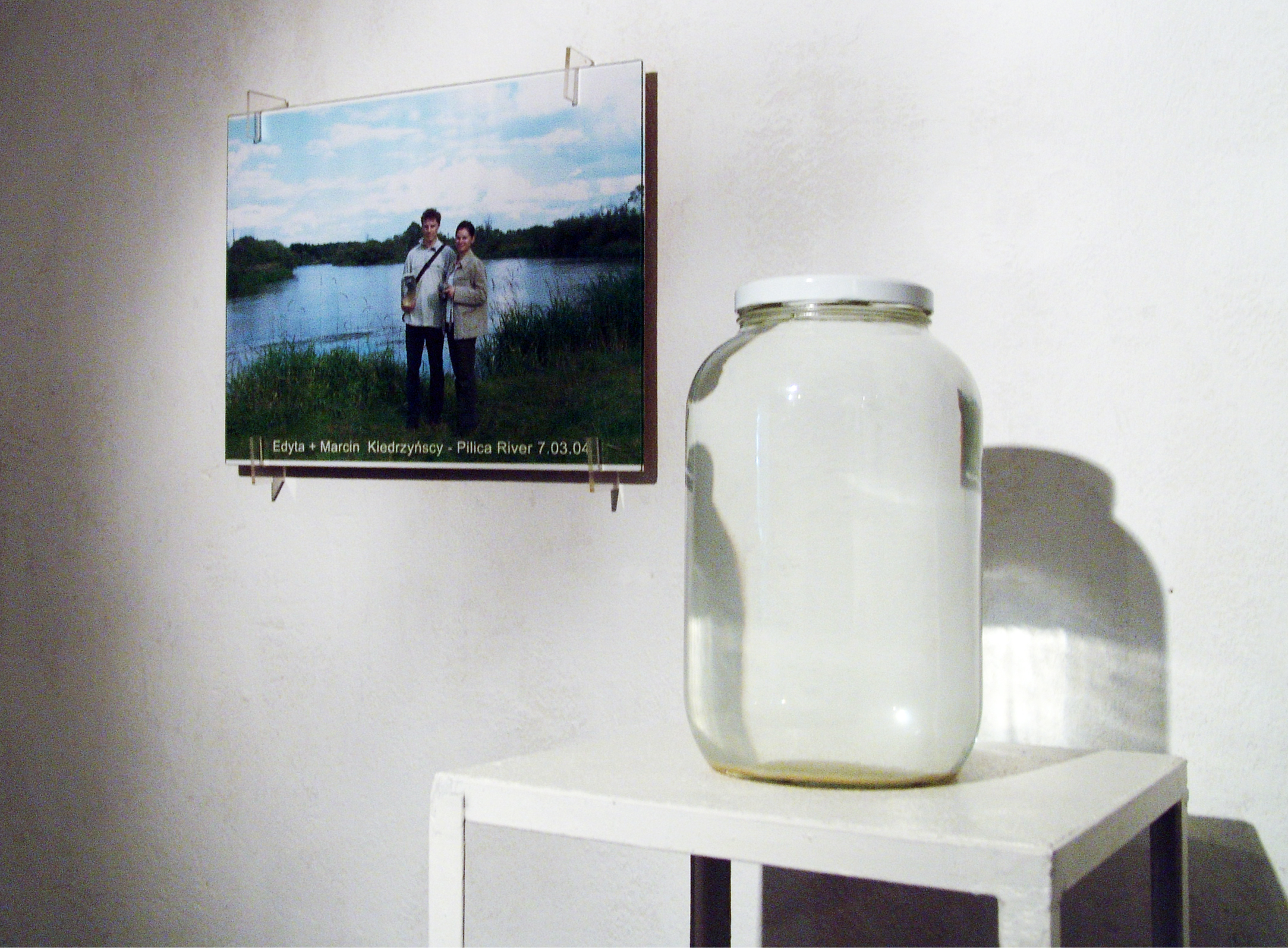
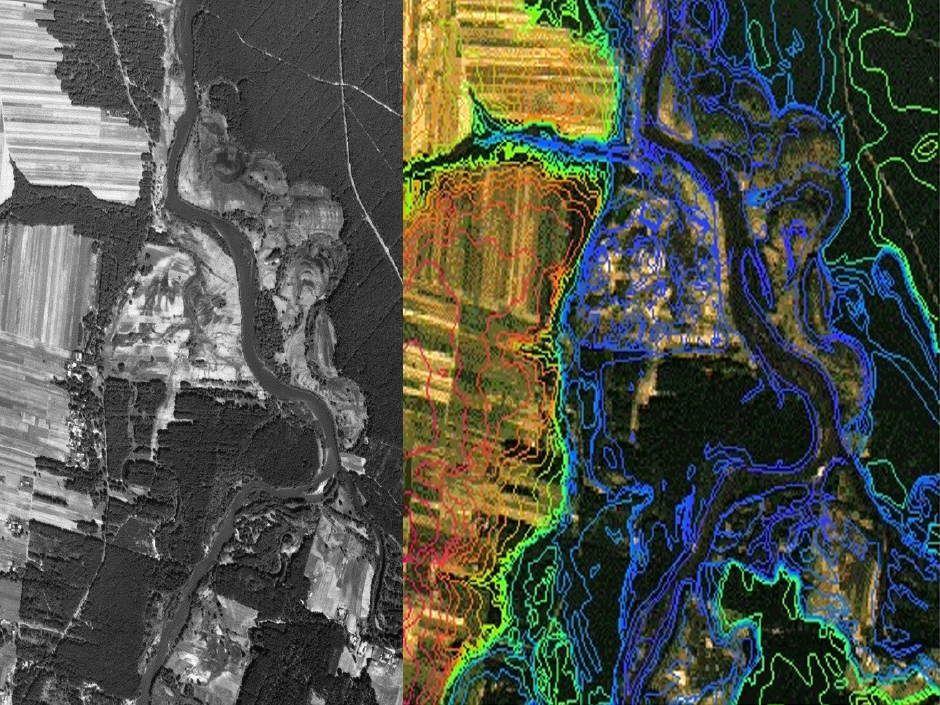
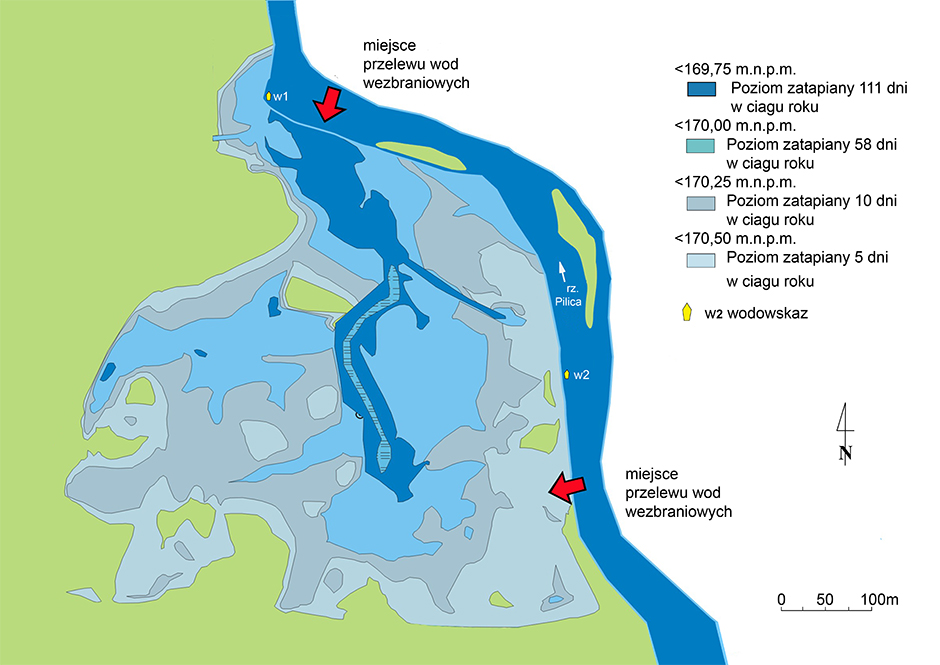
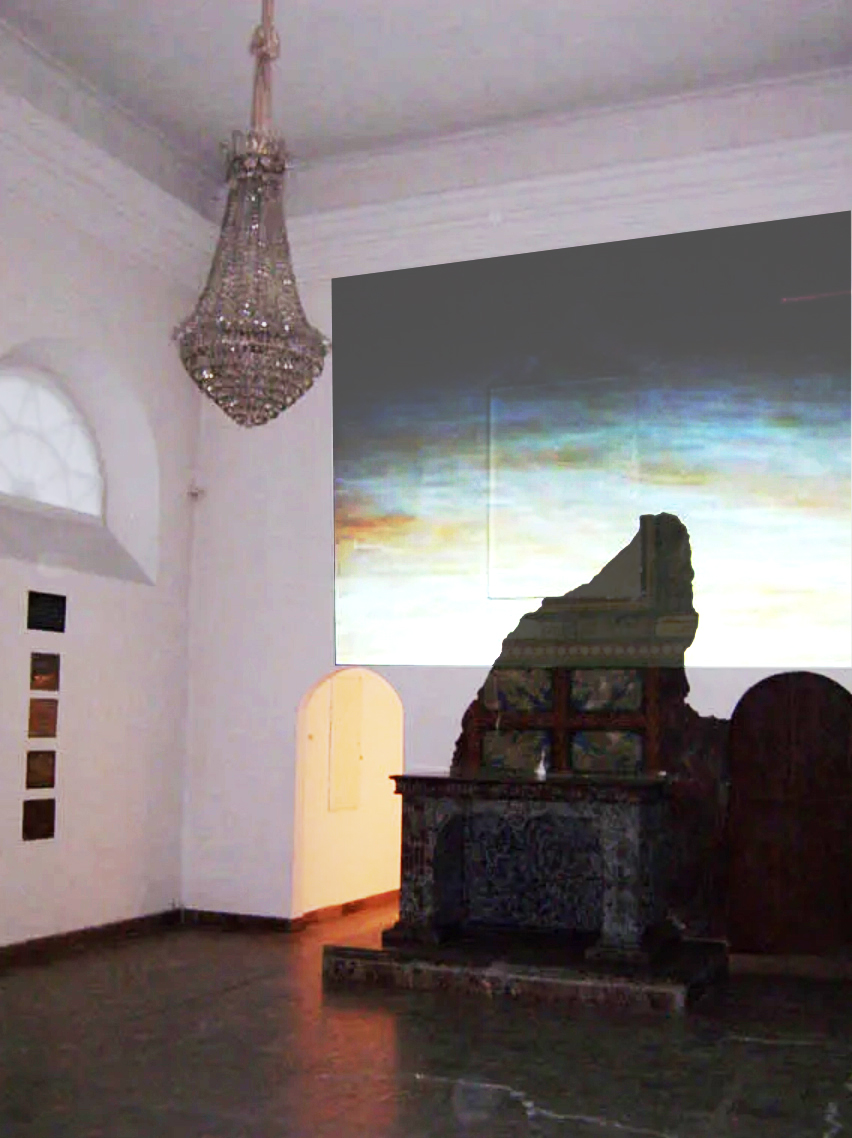
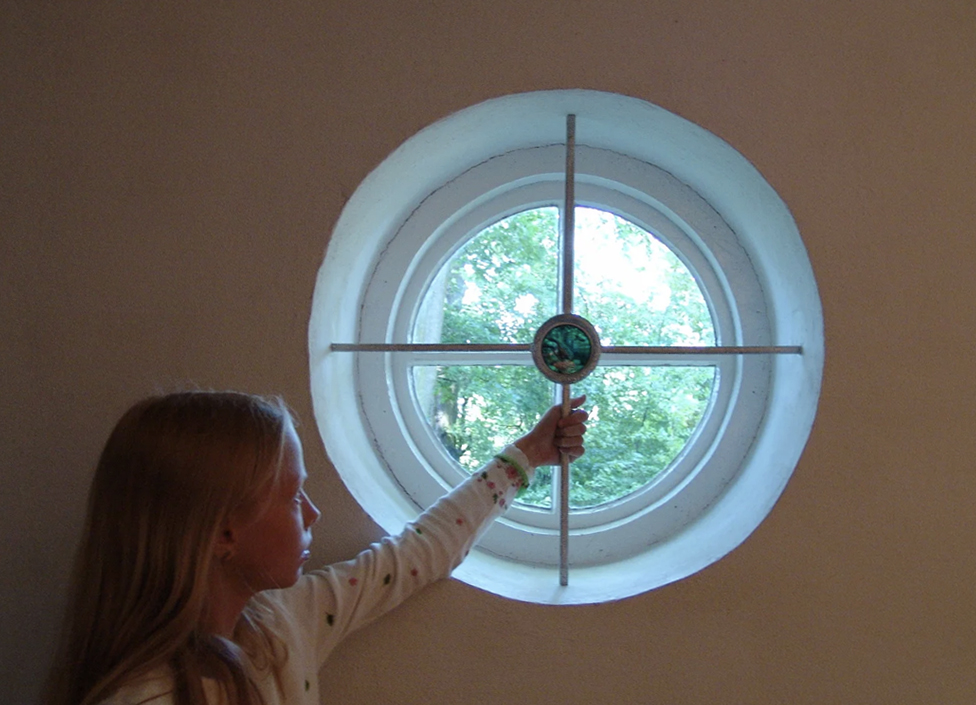
The River Pilica is the eighth largest river in Poland and is a major geological feature of the region near the Oronsko Sculpture Center. It was chosen by the artists as a metaphor for the topography surrounding the Sculpture Center and extends the notion of site-specificity to a larger regional scale. The phenomena of the fluidity of water is translated into visual form as digital video, laser gobo projection, and poured metal, and is made actual by the presentation of a water specimen taken directly from the river, which was also mapped on site with a GPS receiver. Even so, the familiar characteristics of water belie that the video and gobo projection are of Lake Michigan not the River Pilica. Similarly the molten metal "map" appears calligraphic and expressionistic, but is actually a literal tracing of a high resolution GIS map of the Pilica made from a technically sophisticated metal alloy. However, it is not only a matter of creating a few visual elements to form an installation; the entire process of making the installation is part of the artwork, including: the process of researching, the process of recording very specific places (Lake Michigan, Pilica, Oronsko,) the process of meeting and engaging ecologists, cartographers, and other specialists, and finally, the process of discovering and incorporating the characteristics of the exhibition site, the historic, c.1842,Parish Chapel. These aspects together, begin to hint at a larger whole, a more multivalent, and layered, eco-social sculpture.
Rzeka Pilica jest ósmą, najwiekszą rzeką Polski i głównym topograficznym elementem krajobrazu okolic Centrum Rzeźby w Orońsku. Została wybrana przez artystki jako metafora topografii okolic Orońska w skali regionu. Fenomen płynności wody przedstawiony jest w różnych mediach: video, rysunek laserowy gobo, odlew metalowy i próbki wody. Wideo i projekcja laserowego rysunku gobo nie przedstawiają Pilicy, lecz jezioro Michigan, to płynność wody pozwala na przemieszczanie znaczeń. Metalowy ślad rzeki, mapa, powstała na podłodze kaplicy jest kaligraficznym, ekspresyjnym rysunkiem w istocie swoim precyzyjnym odtworzeniem mapy satelitarnej Pilicy wykonanej ze stopu metali ołowiowo-cynowych, używanych powszechnie w odlewnictwie technicznym. Instalacja Hydrofilia nie jest jedynie aranżacją przestrzeni, jest całym procesem na który składają się: działania badawcze, zapis wizualny jeziora Michigan i Pilicy w formie cyfrowej ( wideo, rysunek laserowy gobo, rysunek GPS), spotkania naukowców, ekologów, kartografów, a także odkrywanie miejsca: przestrzeni XIX wiecznej kaplicy (1842). Te różnorodne aspekty tworzenia Hydrofilii czynią z niej działanie wielowarstwowe, rzeźbę eko-społeczną.